What are engine valves and how do they function in a diesel generator?
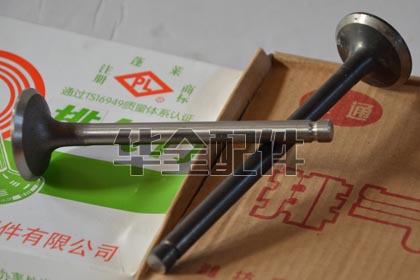
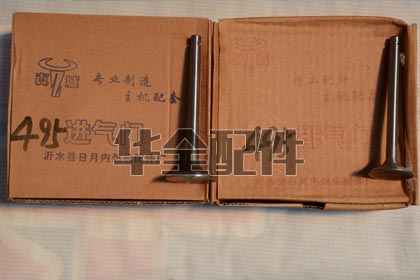
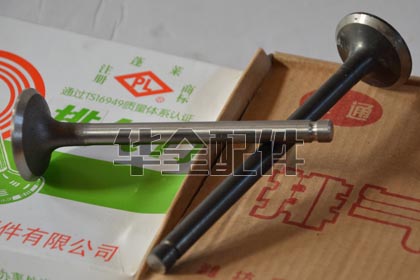
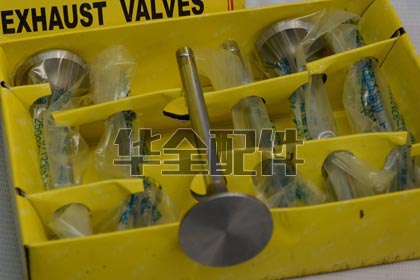
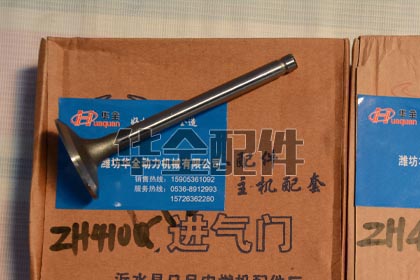
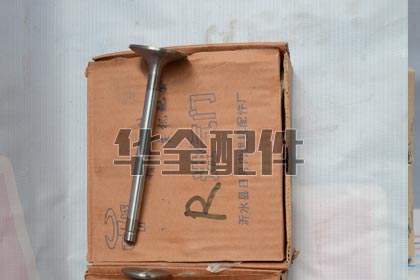
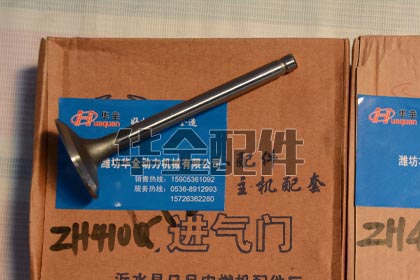
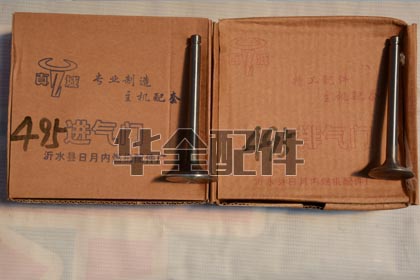
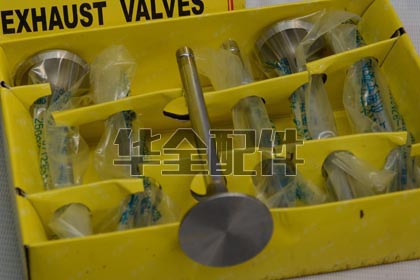
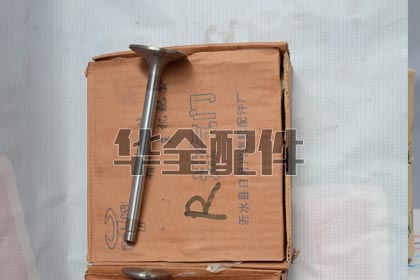
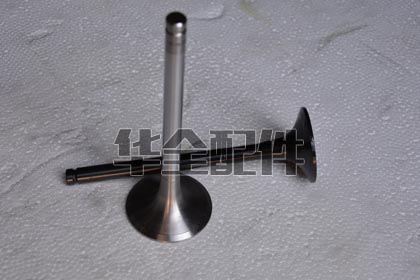
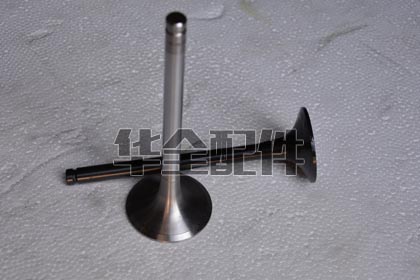
Engine valves are precision poppet valves that control the flow of intake air into the cylinder and exhaust gas out of the cylinder. Each cylinder typically has 2 valves (1 intake, 1 exhaust) on older engines or 4 valves (2 intake, 2 exhaust) on modern designs. The valves are opened by the camshaft-driven pushrods and rocker arms (or directly by an overhead camshaft) and closed by high-strength valve springs. The intake valve opens just before TDC (Top Dead Center) and closes after BDC (Bottom Dead Center) — total open duration 220-280 crankshaft degrees. The exhaust valve opens before BDC and closes after TDC — similar duration. The intake valve operates at 200-300 degrees C head temperature; the exhaust valve endures 650-800 degrees C — glowing red-orange — while conducting heat through its 45-degree seat contact face into the water-cooled cylinder head. The exhaust valve is the hottest single component in the engine.
What materials are diesel engine valves made from?
Valve materials: (1) Intake valves: Martensitic steel (e.g., Silchrome 1 — X45CrSi9-3) — high strength at moderate temperatures, hardenable for wear resistance at the tip (where the rocker arm contacts) and the seat face; (2) Exhaust valves: Austenitic stainless steel (e.g., 21-4N — X53CrMnNiN21-9) or nickel-based superalloy (Nimonic 80A) for heavily turbocharged engines. Properties required: high-temperature tensile strength (21-4N retains 70% of its room-temperature strength at 700 degrees C), oxidation resistance (the valve head is directly in the combustion flame), and hot hardness for seat face durability; (3) Bimetallic valves — the head is austenitic (for heat resistance), friction-welded to a martensitic stem (for hardness in the valve guide bore) — this is the standard construction for modern heavy-duty diesel exhaust valves; (4) Valve seat face coating: Stellite (cobalt-chromium-tungsten alloy) applied by plasma transfer arc (PTA) welding to the seating face — provides hot hardness and corrosion resistance far beyond the base valve material. HUAQUAN valves are manufactured to the engine OEM's material and coating specifications.
What are the symptoms of worn or burned valves?
Valve condition indicators: (1) Low compression in one or more cylinders — a valve that is not sealing allows compression to leak past the seat; (2) Misfire or uneven running — the affected cylinder is not producing full power; (3) Popping or hissing in the intake or exhaust manifold — compression pressure leaking past a bad intake valve into the intake manifold (popping) or combustion gas bypassing a bad exhaust valve into the exhaust (hissing); (4) White smoke from the exhaust (unburned fuel) — the cylinder with the leaking valve does not achieve sufficient compression temperature for ignition, so fuel passes through unburned; (5) Valve clatter — a clicking or tapping noise, often from excessive valve clearance due to valve stem/seat wear (the rocker arm no longer maintains contact with the valve tip); (6) Leak-down test results — compressed air leaks audibly from the intake (intake valve), exhaust (exhaust valve), or crankcase breather (piston rings). Worn valves can be confirmed by: compression test, cylinder leak-down test, and borescope inspection of the valve faces and seats.
Which engine brands are HUAQUAN valves and seats compatible with?
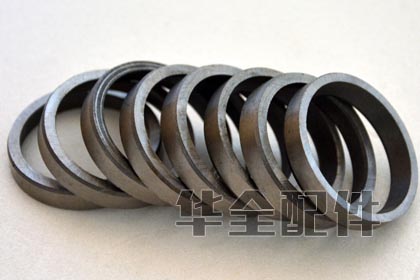
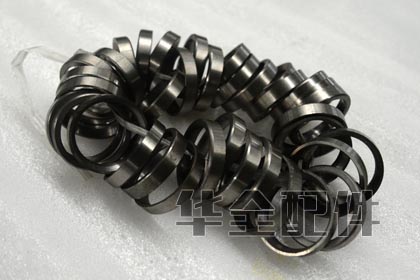
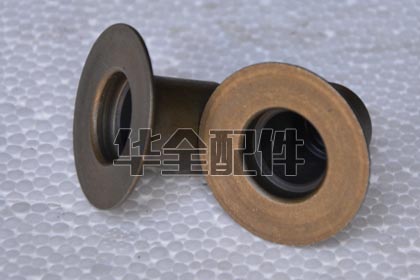
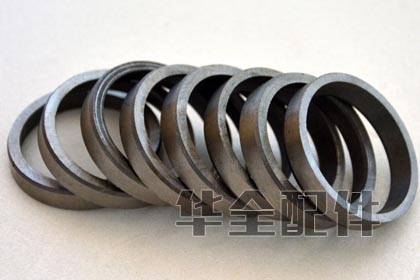
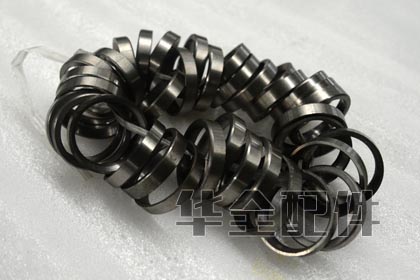
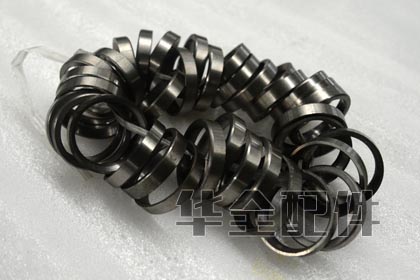
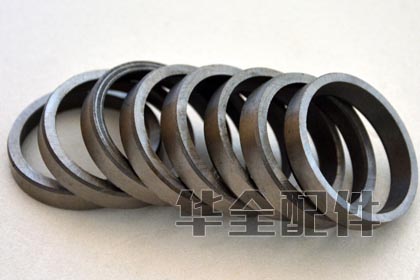
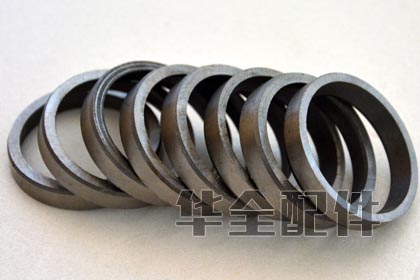
HUAQUAN valves and valve seats are manufactured for: Cummins (4BT-6CT, ISB-ISL, QSB-QSL, NT855, KTA19/38/50), Perkins (1103-4008), Deutz (912-2015), Weichai (WD615/618, WP10/12/13/17, 226B, 6160-6200), Yuchai (YC4-YCK), Shangchai (SC4H-SC33W), and all Chinese diesel platforms. Available individually or as: complete valve train kits (valves, seats, guides, seals, springs, retainers, collets), intake/exhaust-only kits, and cylinder head overhaul kits. Valve seats are supplied finished or semi-finished (requiring final machining after installation). All valves are vacuum-tested to verify the seat face seal.
What is valve recession and why does it occur?
Valve recession is the gradual 'sinking' of the valve head into the cylinder head as the valve face and seat wear against each other, reducing the valve clearance (the gap between the valve tip and the rocker arm). It occurs because: (1) Normal wear — every time the valve closes, it impacts the seat with spring pressure. Over thousands of hours, this hammers the two surfaces together, wearing down both; (2) Lack of valve clearance — if clearance is adjusted too tight, the valve may not fully seat, preventing heat transfer from the valve face to the (cooled) seat. The valve overheats, the Stellite coating softens, and wear accelerates; (3) Hard carbon particles embedded in the seat surface — from poor combustion or EGR; (4) Intake valves: dust ingestion accelerates seat wear because the dust embeds in the relatively soft intake seat. Symptoms: gradually decreasing valve clearance on periodic adjustment checks. If recession is severe: the valve may not close at all (zero clearance), causing compression loss and burnt valves. Solution: replace the valve and cut/replace the seat, then set the correct clearance.
How are valve seats replaced in a cylinder head?
Valve seat replacement is a machine-shop procedure: (1) The cylinder head is removed and cleaned; (2) The old seat insert is machined out on a dedicated seat-and-guide machine — cutting the old insert until the remaining ring can be pried out without damaging the head's counterbore; (3) The counterbore is measured for size, roundness, and depth. Out-of-spec counterbores must be machined oversize for a larger OD replacement seat; (4) The cylinder head is heated uniformly to 100-150 degrees C in an oven — this expands the counterbore. Meanwhile, the new seat (precision-ground OD, 0.05-0.10mm interference fit over the cold counterbore) is chilled with dry ice or liquid nitrogen to shrink it; (5) The shrunken seat is rapidly pressed into the expanded counterbore — within seconds, the temperatures equalize and the interference fit locks the seat permanently. A loose seat will 'drop' into the running engine — catastrophic; (6) After installation, the seat face is precision-ground or cut to achieve the correct 30/45-degree angle, contact width (typically 1.5-2.5mm), and concentricity with the valve guide. This work should only be done by a qualified machine shop with seat-and-guide equipment.
What is the correct valve clearance (lash) for diesel generator engines?
Valve clearance specification is engine-specific — consult the service manual. Typical cold clearance: Intake 0.20-0.30mm (0.008-0.012 inch), Exhaust 0.30-0.40mm (0.012-0.016 inch). Larger clearance for exhaust valves because they expand more (hotter). The clearance compensates for the thermal expansion of the valve stem — when the exhaust valve heats from ambient to 500+ degrees C, a 150mm stem grows approximately 1.0-1.1mm. If clearance is too tight (below specification), the growing valve stem will hold the valve slightly open when hot — burning the valve face and seat within a few hours. If too loose (above specification): noisy operation (valve clatter), reduced valve opening duration (the rocker arm must first take up the slack before beginning to open the valve), and potential damage from hammering (the excessive clearance allows the rocker arm to impact the valve tip rather than smoothly actuating it). Adjustment procedure: rotate the engine to the correct position (typically TDC compression stroke for that cylinder — both valves closed), loosen the locknut, adjust the clearance screw with a feeler gauge, and tighten the locknut while holding the adjuster. Re-check after tightening — the clearance often changes slightly as the locknut tightens.
How do I perform a cylinder leak-down test to diagnose valve problems?
Leak-down test procedure: (1) Warm the engine to operating temperature if possible (a cold engine will show higher leakage than a warm one); (2) Remove all glow plugs or injectors (easier to turn the engine); (3) Rotate the engine so the cylinder to test is at TDC compression stroke — both intake and exhaust valves closed. Confirm with a probe through the injector/glow plug hole — the piston should be at the top of its travel; (4) Screw the leak-down tester's air hose adapter into the injector/glow plug hole; (5) Connect the tester to a compressed air supply (regulated to 6-7 bar / 90-100 PSI) and record the leakage percentage on the gauge; (6) Acceptable leakage: less than 10-15% for a used engine. Over 20% requires investigation; (7) Diagnose the leakage: listen at the intake manifold (leak = intake valve), exhaust pipe (leak = exhaust valve), oil filler cap/crankcase breather (leak = piston rings), and look for bubbles in the radiator (leak = head gasket/cracked head). The leak-down test provides more diagnostic information than a simple compression test because it isolates the leak source.