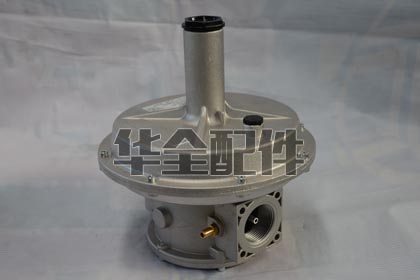
Gas Engine Parts for Generators — Complete Guide
While diesel engines dominate the large generator market, gas engines — running on natural gas, LPG (propane), or biogas — power a significant share of generators, especially in the 10-400 kW range and in applications where fuel availability or emissions regulations favor gas. Gas generator engines share many components with their diesel counterparts but differ in critical areas: ignition systems, fuel delivery, and emission controls. This guide covers gas engine-specific parts and maintenance.
Gas vs. Diesel Engine — Key Component Differences
| System | Gas Engine Components | Diesel Engine Counterpart | Key Difference |
|---|---|---|---|
| Ignition | Spark plugs, ignition coils, distributor/coil-on-plug, spark plug wires, ignition control module | Compression ignition — no ignition system | Gas engines require high-voltage spark to ignite fuel-air mixture; these components are unique to gas engines |
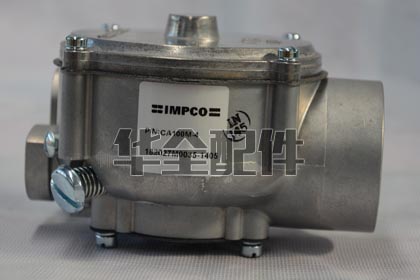
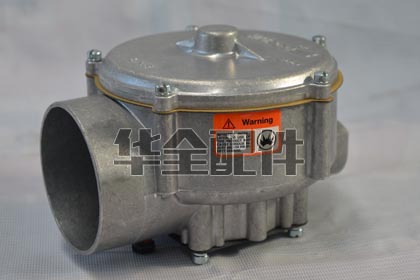
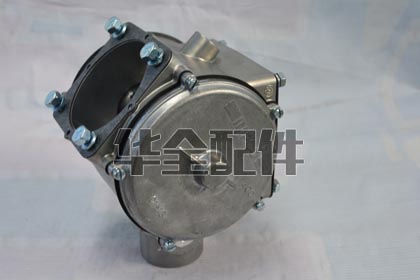
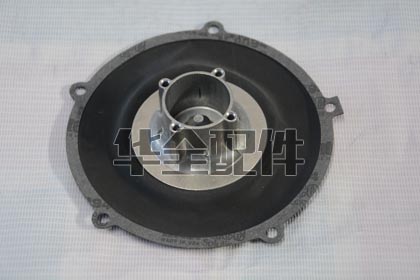
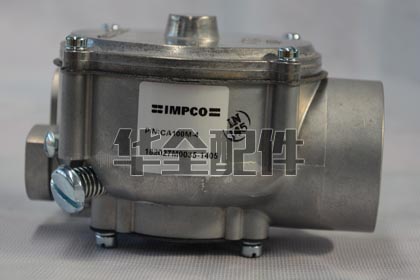
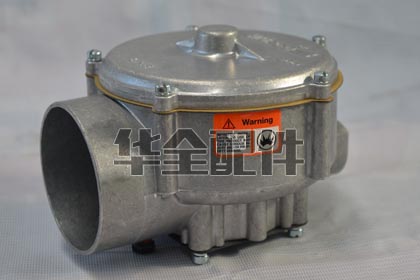
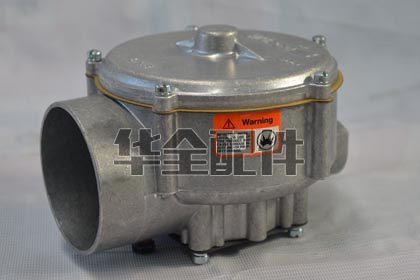
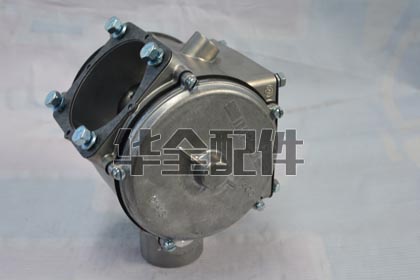
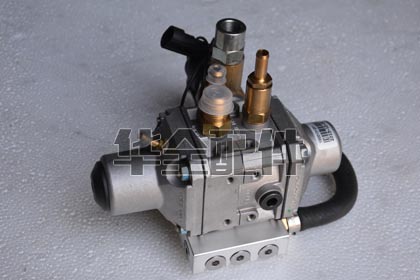
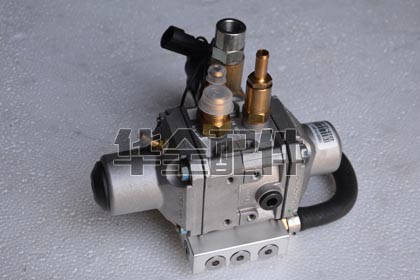
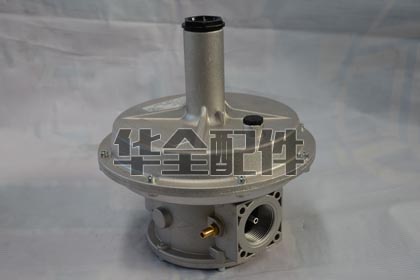
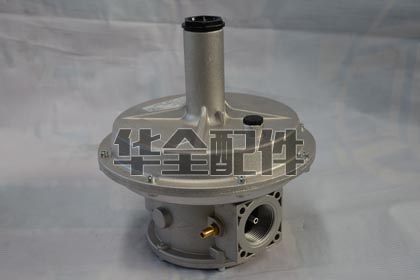
| Fuel Delivery | Carburetor or fuel injection (port or throttle-body); fuel pressure regulator; gas mixer/venturi | High-pressure injection pump and injectors (200-2500 bar) | Gas operates at low pressure (inches of water column to a few psi); no high-pressure injection |
| Air-Fuel Control | Throttle body or mixer controlling air-fuel ratio; oxygen sensor feedback; stepper motor | Governor controls fuel quantity (no throttle); air always at atmospheric | Gas engines use throttle to control speed/power; diesel controls fuel quantity with unrestricted air |
| Compression Ratio | 8:1 to 12:1 (lower compression pistons and cylinder heads) | 14:1 to 25:1 | Gas engines have lower compression to prevent detonation; engine block may be lighter |
| Exhaust / Emissions | Three-way catalytic converter, oxygen sensors (upstream and downstream), EGR system | Diesel oxidation catalyst (DOC), DPF, SCR (urea injection) on Tier 4 engines | Different emission control strategies; gas catalytic converters require precise air-fuel ratio control |
| Valve Train | Valves and seats designed for dry fuel (no lubrication from fuel); harder valve seats for unleaded fuel | Valves lubricated by diesel fuel; different seat materials | Gas engine valves run hotter and drier; valve recession is a common gas engine failure mode |
Natural Gas vs. LPG — Engine Considerations
| Parameter | Natural Gas (NG) | LPG (Propane) |
|---|---|---|
| Fuel Storage | Utility pipeline (unlimited); CNG cylinders if mobile | Pressurized liquid tank (requires vaporizer); finite supply |
| Energy Density | ~38 MJ/m³ (gas) — lower than LPG and much lower than diesel | ~25 MJ/L (liquid) — higher energy per liter than NG |
| Engine Power Derate | 15-20% less power than same-displacement diesel engine | 10-15% less power than diesel |
| Octane Rating | ~120 RON — excellent knock resistance | ~105 RON — good knock resistance |
| Compression Ratio | Can use up to 12:1 with NG | Typically 8:1-10:1 |
| Cold Starting | Requires reliable gas supply; no cold-flow issues | Requires fuel vaporization; cold weather can cause supply issues |
Frequently Asked Questions
1. Why do gas generators produce less power than diesel generators of the same engine size?
Two main reasons: (1) Lower compression ratio — gas engines operate at 8:1-12:1 vs. diesel’s 14:1-25:1. Lower compression means lower thermal efficiency — less of the fuel’s energy is converted to mechanical power. (2) Air displacement — in a diesel engine, the cylinder fills completely with air every intake stroke. In a naturally aspirated gas engine with a throttle, the intake restriction reduces the mass of air entering the cylinder, which limits the amount of fuel that can be burned and thus the power output.
2. How often do gas engine spark plugs need replacement?
Spark plugs in generator gas engines typically last 500-1000 hours (conventional copper/nickel plugs) or 1000-2000 hours (iridium/platinum plugs). Generator service is harder on plugs than automotive use because: (1) engines run at constant rated speed rather than varying RPM, (2) continuous operation during outages means sustained high-temperature operation, and (3) lean-burn gas engines run hotter combustion temperatures. Inspect plugs every 500 hours; replace if electrode is worn, insulator is cracked, or gap exceeds specification.
3. Can I convert my diesel generator to run on natural gas?
Diesel-to-gas conversion (dual-fuel or dedicated gas) is technically possible but complex and generally not recommended for existing diesel generators. The conversion requires: cylinder head modification (lower compression pistons, spark plug installation), addition of complete ignition system, gas fuel system (mixer, regulator, shutoff valves), and engine control system reprogramming or replacement. The cost typically exceeds the value of the generator. Better approach: sell the diesel generator and purchase a purpose-built gas generator.
4. What causes valve recession in gas generator engines?
Valve recession — the valve sinking into the cylinder head seat — is the most common long-term wear issue in gas engines. Causes: (1) lack of fuel lubrication on valve seats (diesel fuel provides some lubricity; dry gas does not), (2) high combustion temperatures especially in lean-burn engines, (3) micro-welding between valve and seat followed by tearing during valve rotation, and (4) incorrect valve lash (tight clearance prevents full seating and heat transfer). Regular valve clearance checks can catch recession before it becomes severe.
5. What is the difference between rich-burn and lean-burn gas engines?
Rich-burn engines operate at stoichiometric air-fuel ratio (lambda = 1.0) — just enough air to burn all the fuel. They use a three-way catalytic converter and have lower NOx emissions. Lean-burn engines operate with excess air (lambda = 1.3-1.7) — more air than needed for combustion. This reduces combustion temperature, lowering NOx formation without needing a catalytic converter, and improves fuel efficiency by 5-15%. However, lean-burn engines are more sensitive to fuel quality variations and require more sophisticated engine controls.
6. Is biogas suitable for my generator engine?
Biogas (methane from anaerobic digestion of organic waste) can fuel generator engines, but requires: (1) gas cleaning — removal of hydrogen sulfide (H2S) which forms sulfuric acid when burned and corrodes engine components, (2) moisture removal — biogas is saturated with water vapor, (3) siloxane removal — siloxanes from landfills form abrasive silica deposits on combustion surfaces, and (4) consistent gas quality — engines tuned for a specific methane content will run poorly on variable-quality biogas. Engines designed for biogas have corrosion-resistant components and modified fuel systems.
Related Articles
- Gasoline Generator Engine Parts
- Diesel Engine Spare Parts for Generators
- Generator Engine Parts — Systems Overview
- Generator Fuel System Parts
- Generator Coolant and Engine Oil Guide
- Generator Troubleshooting Guide
- Complete Generator Maintenance Guide