Generator Oil Filters – Spin-On & Cartridge Type

Image loading......
'">

Generator Oil Filters – Spin-On & Cartridge Type

Product Overview

Generator Engine Oil Filters are critical consumables ensuring long-term, stable operation of diesel generator sets, directly influencing engine lubrication system cleanliness and service life. This category features high-performance filters certified to ISO 9001 and tested to API SL/CI-4 standards, compatible with mainstream medium-to-high-power generator sets. Filtration efficiency reaches 99.8% for 3 μm particles, guaranteeing zero oil passage blockage and zero abnormal wear.

Get Quote

Key features

  • High-precision glass-fiber composite filter media with dust-holding capacity ≥280 g (measured value for CX0708).
  • Spin-on construction with integrated elastomeric sealing ring; installation torque specification: 5–7 N·m; leak-proof rate: 100%.
  • Cartridge-style design enables repeated cleaning and replacement of the internal cartridge, reducing long-term O&M costs by over 35%
  • Split-flow centrifugal models integrate dynamic centrifugal separation technology, removing over 95% of metallic particles (≥5 μm).
  • High-temperature-resistant rubber sealing components, operating temperature range: −40 °C to 120 °C, suitable for tropical and arctic operating conditions
  • Entire series certified by SGS for heavy metal migration testing and compliant with RoHS environmental directives

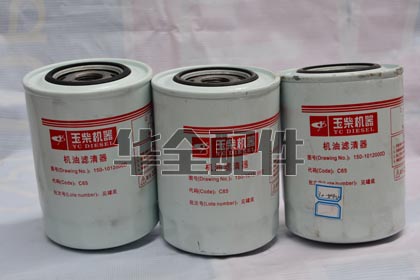
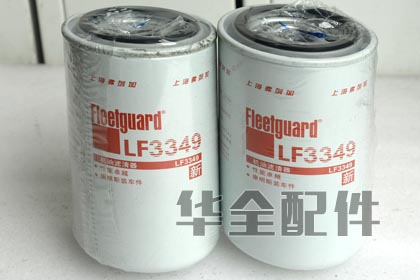
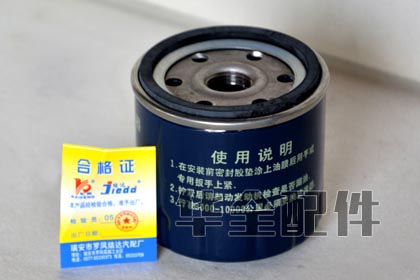
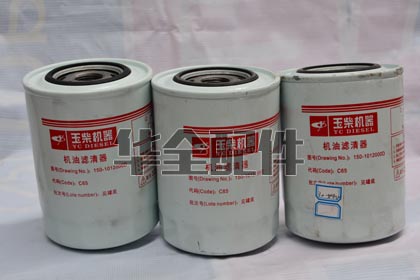
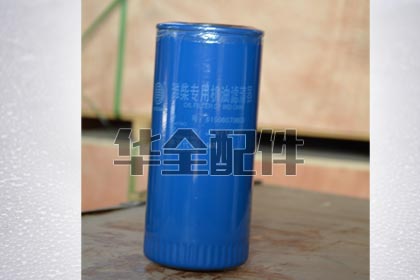
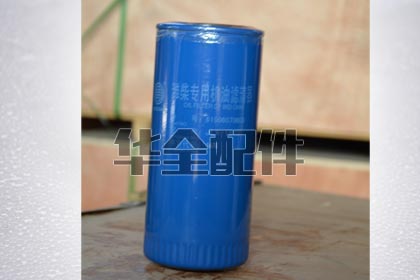
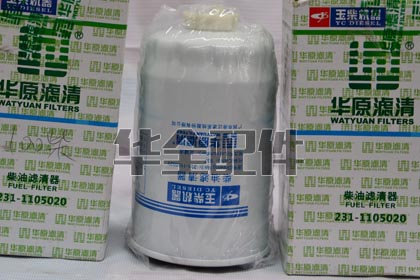
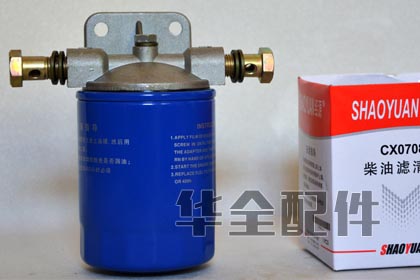
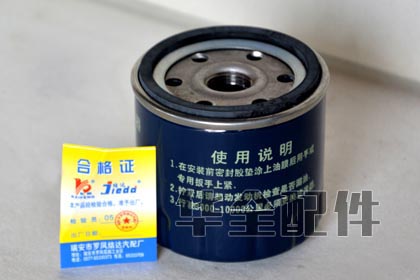
Oil Filter (CX0708)

Get Quote
Generator Oil Filters

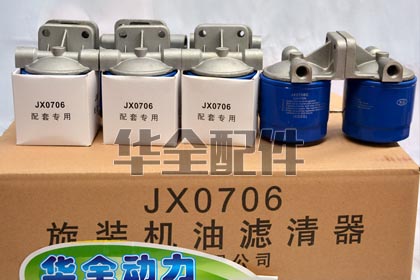
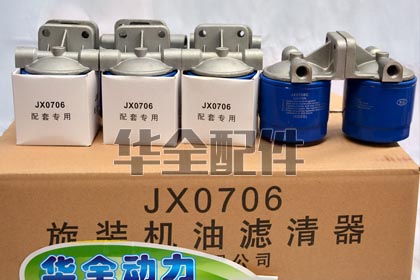
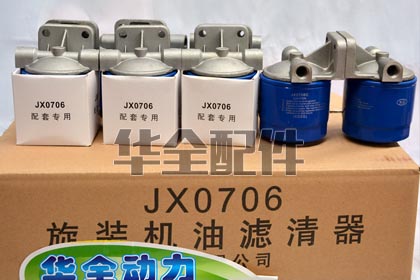
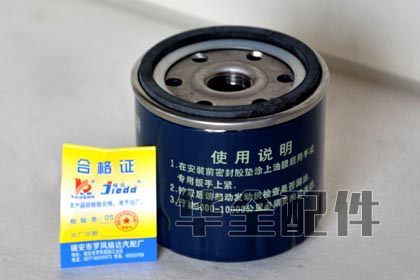
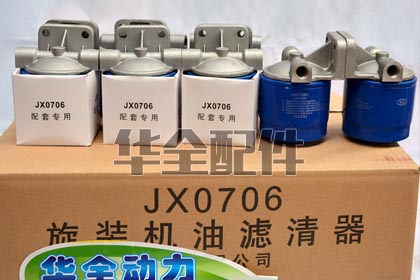
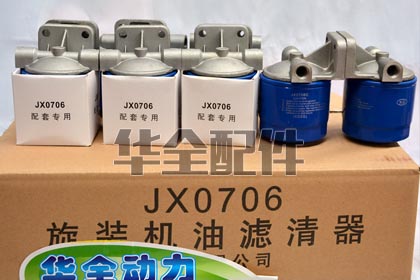
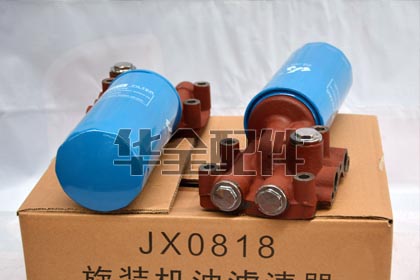
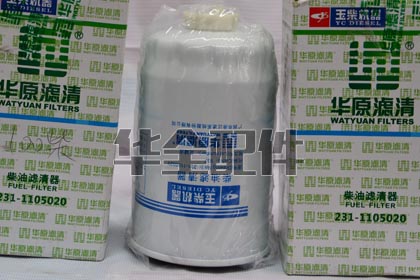
Engine Oil Filter JX0706A

Get Quote

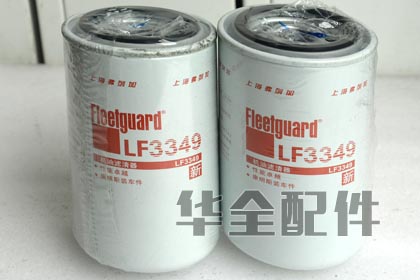
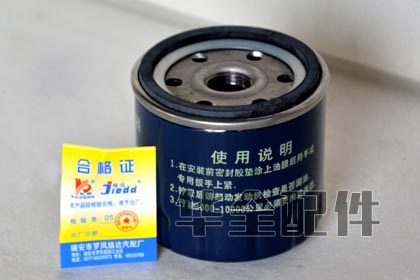
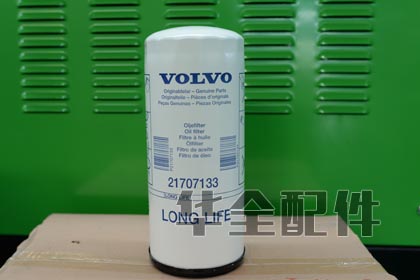
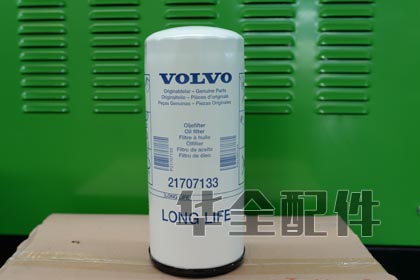
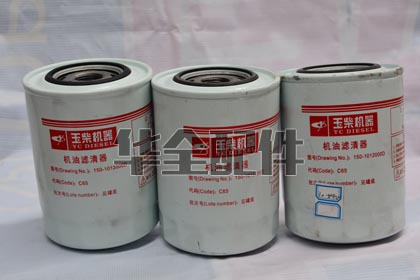
Volvo TAD1342GE Engine Oil Filter

Get Quote
Generator Oil Filters

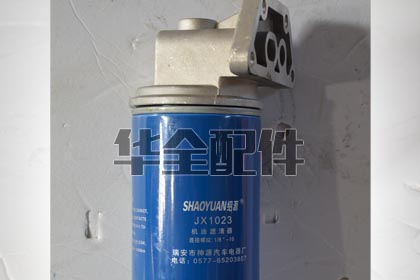
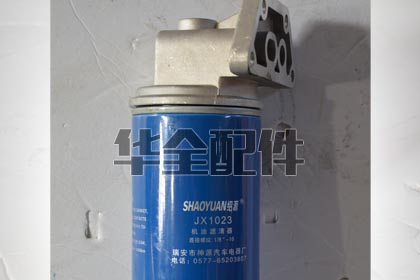
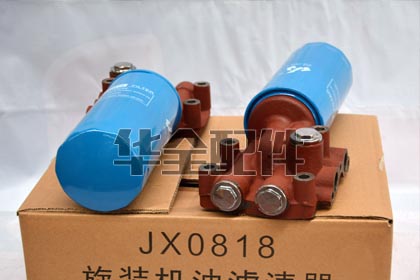
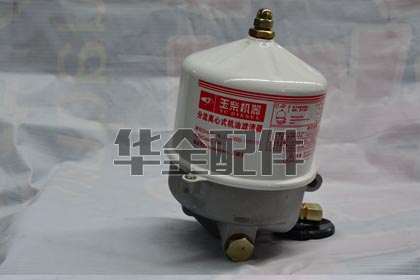
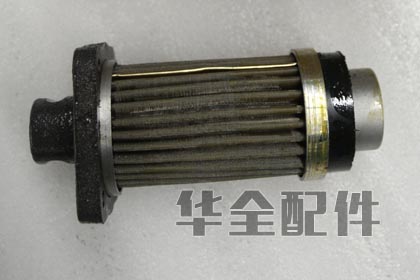
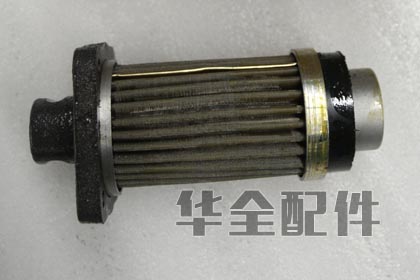
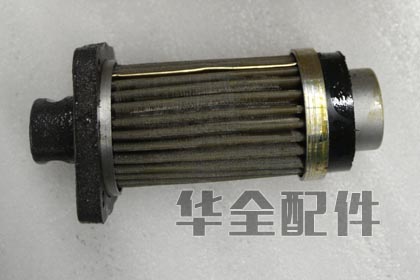
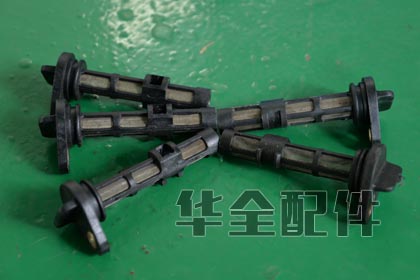
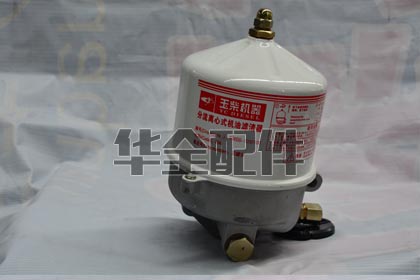
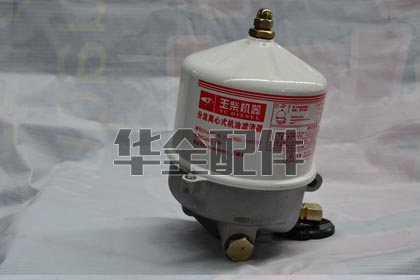
Split-Type Centrifugal Oil Filter

Get Quote

Technical Specifications

SpecificationsSpecification
Filtration Precision3–5μm
Rated Flow Rate60–120L/min
Initial pressure differential≤0.02MPa(@20℃, 60L/min)
Maximum working pressure1.2MPa

Compatible brands and models

  • Volvo TAD1342GE/TAD1642GE series
  • Cummins QSB/QSL series (30–50 kW)
  • Weichai WP6/WP7 diesel generator sets
  • Yuchai YC6T/YC6J-powered silent generating sets

Applications

Widely deployed in highly reliability-critical applications including telecom base station backup power, data center UPS support systems, hospital emergency power supply systems, and island-based off-grid microgrids. Particularly suited for industrial-grade generator sets operating continuously beyond 5,000 hours, as well as mobile power stations deployed in dusty or high-humidity outdoor environments.

Selection Guide

  1. Step 1: Confirm the generator brand, model, and OEM engine oil filter part number (e.g., CX0708 or JX0706A).
  2. Step 2: Verify compatibility between mounting interface dimensions (M20×1.5 / M22×1.5) and the filter housing
  3. Step 3: Select the appropriate specification based on generator set power rating—centrifugal bypass or high-capacity cartridge-type filters are recommended for 30–50 kW units
  4. Step 4: Request free samples for on-engine compatibility testing prior to bulk procurement (OEM logo customization supported).

Frequently asked questions (FAQs)

Q: How do I choose between spin-on and cartridge-type engine oil filters?

Answer: Spin-on filters offer convenient installation and rapid replacement, ideal for routine maintenance. Cartridge-type filters require dedicated filter housings but allow individual cartridge replacement—resulting in lower long-term cost of ownership. Recommended for generator sets operating over 2,000 hours annually.

Q: Does the split-flow centrifugal type require auxiliary power drive?

A: No. This model operates via passive gravity and fluid-dynamic drive, utilizing engine oil pump outlet pressure for automatic rotational separation—no external power supply or mechanical drive required.

Q: Can these filters be adapted to non-standard modified generator sets?

A: Yes. Free dimensional drawing services and interface customization are provided; minimum order quantity is 200 units, with a lead time of 12 working days (including CE and ISO certification documentation)

Need assistance with product selection or wish to inquire?

Contact Shandong Huaquan Power Co., Ltd.
WhatsApp: +86 15905360672 | Email: huaquan@huaquanpower.com

Inquire Now

Product Gallery

Boling

Cummins

Shangchai

Various

Volvo Penta

Weichai

Yuchai

Frequently Asked Questions

What does a generator oil filter do?
A generator oil filter removes solid contaminants from the engine lubricating oil — abrasive particles generated by normal engine wear (bearing material, ring/cylinder wear debris), carbon soot from combustion, dust ingested through the air intake, and oxidized oil sludge. Without filtration, these contaminants convert the oil into a grinding paste that accelerates wear by 3-10x. The filter media traps particles down to 10-25 microns (nominal) at 95%+ efficiency. Given that bearing oil film thickness is 0.5-5 microns, the filter cannot catch every particle that can cause wear — but it captures the bulk material that would otherwise overwhelm the oil's additive package. Additionally, the oil filter prevents: carbon particles from blocking oil passages to bearings, sludge from clogging piston cooling nozzles, and abrasive wear to the turbocharger journal bearings — the most oil-sensitive component on the engine.
What micron rating should a generator oil filter have?
Modern diesel engine oil filters typically achieve 25-30 micron nominal at 95%+ efficiency (Beta_25 >= 75 meaning 98.7% of 25-micron particles captured). High-efficiency filters using synthetic media (micro-glass fibers) can achieve Beta_15 = 75. The filtration rating represents a compromise: finer filtration captures more wear-causing particles but increases pressure drop across the filter and can reduce oil flow at cold start. The bypass valve (typically set to 8-12 PSI differential) protects the engine: if the filter becomes too restrictive (cold thick oil, loaded filter), the bypass opens and allows unfiltered oil to circulate — unfiltered oil is better than no oil. HUAQUAN oil filters are third-party tested and meet the filtration specifications of OEM filters (Fleetguard, Donaldson, Baldwin, Mann).
How often should I change the generator oil filter?
Oil filter replacement interval: always change the filter with every oil change — never change oil without changing the filter. The used filter contains 0.5-1.5 liters of contaminated oil that would contaminate the fresh oil. Interval: (1) Standard diesel generators: every 250 operating hours (standby duty) or 500 hours (prime power); (2) With synthetic oil: can extend to 500-750 hours with a premium synthetic-rated filter; (3) Time-based for low-hour standby generators: every 6-12 months regardless of hours — oil and filters degrade with time as well as use; (4) Severe conditions (dusty, high humidity, high ambient temperature): halve the interval. The filter's bypass valve opening due to filter loading is a sign of overdue replacement — more frequent changes are indicated.
Which engine brands are HUAQUAN oil filters compatible with?
HUAQUAN oil filters are manufactured for: Cummins (4BT-6CT, ISB-ISL, QSB-QSL, NT855, KTA19/38/50, QSK), Perkins (1103-4008), Deutz (912-2015), Weichai (WD615/618, WP10/12/13/17, 226B, 6160-6200), Yuchai (YC4-YCK), Shangchai (SC4H-SC33W), Doosan, Volvo Penta, and all Chinese diesel platforms. Types: spin-on canister filters (threaded, self-contained), cartridge eco-elements (replaceable inner element with reusable housing), and bypass (kidney loop) filters. Cross-reference compatible with Fleetguard (LF series), Donaldson (P55 series), Baldwin (B series), and Mann-Filter (W series). Provide your OEM filter number for exact cross-reference.
What is the difference between a spin-on and cartridge oil filter?
Spin-on filters: self-contained steel canister with threaded base plate — the filter element, housing, and anti-drainback valve are one unit. Advantages: fast 2-minute change, no housing to clean, less contamination risk, integral anti-drainback valve prevents dry starts. Cartridge (eco-element) filters: replaceable paper/synthetic element inserted into a reusable aluminum or composite housing. Advantages: ~30% lower cost per change (only the media element is replaced), half the waste, transparent housing allows visual oil inspection. Disadvantages: longer change time, housing must be cleaned, O-rings must be replaced carefully, higher contamination risk if the housing interior is not cleaned. The industry trend is toward cartridge elements for environmental and cost reasons. HUAQUAN supplies both types.
What are the symptoms of a clogged oil filter?
A clogged filter does not produce external symptoms until the bypass valve opens — at which point unfiltered oil circulates and wear accelerates. Indirect indicators: (1) Oil pressure reading higher than normal at operating temperature — the filter restriction is increasing backpressure upstream of the filter. Note: gauge reading is upstream of the filter; (2) Oil pressure warning light flickering at low RPM after the engine is hot — the hot, thin oil passes more easily through a loaded filter, triggering a momentary low-pressure event; (3) Oil analysis showing high silicon (dirt ingress) or soot levels — indicates the filter may be loaded with contaminants; (4) The filter has been in service beyond the recommended interval. The bypass valve opening silently — the only reliable protection is adherence to the service interval.
What is an anti-drainback valve and why is it important?
An anti-drainback valve is a nitrile or silicone rubber flap inside the oil filter that prevents oil from draining out of the filter and oil galleries back into the oil pan when the engine is stopped. Without it: (1) The oil pump must refill the filter and oil galleries at every start before oil reaches the bearings — this is the period of highest engine wear; (2) The filter housing is empty at start-up, creating an air pocket that delays oil pressure build-up; (3) The oil filter bypass valve may open on start-up because cold thick oil cannot pass through a dry filter media fast enough — unfiltered oil circulates during the critical first seconds. All quality spin-on filters include an anti-drainback valve. Silicone valves are preferred over nitrile for high-temperature applications (silicone remains flexible at -40 to +200 degrees C; nitrile hardens over time at high temperatures).
What is the proper procedure for changing an oil filter?
Change procedure: (1) Run the engine to warm the oil — warm oil drains more completely, carrying more contaminants with it; (2) Drain the engine oil completely; (3) For spin-on filters: use a filter wrench to loosen (counterclockwise), spin off by hand, verify the old gasket came off with the filter (not stuck to the mounting flange — a double-gasketed filter guarantees a catastrophic oil leak within seconds of start-up); (4) Wipe the filter mounting flange clean; (5) Apply a thin film of clean oil to the new filter's gasket; (6) Spin the new filter on by hand until the gasket contacts — then hand-tighten 3/4 to 1 full turn (read filter markings — most specify 3/4 turn after gasket contact); (7) Refill with the correct quantity of specified oil; (8) Start the engine and check for leaks immediately — shut down if any leak is detected; (9) Re-check oil level after shutdown. Never use a filter wrench to tighten — the recommended hand-tightening provides the correct gasket compression.
How should I store spare oil filters?
Storage: (1) Keep in original sealed packaging — the interior of a spin-on filter is manufactured clean; contamination entering through the center tube goes straight to the engine bearings after installation; (2) Store in a clean, dry area at 10-30 degrees C — moisture rusts the steel canister and humidity degrades the rubber gasket and anti-drainback valve; (3) Do not store in direct sunlight — UV degrades the outer paint and can harden the gasket through the packaging; (4) Shelf life: 5 years for spin-on filters in sealed packaging; 3 years for cellulose-media cartridge elements; (5) FIFO rotation; (6) Before installing a filter stored more than 2 years, inspect the gasket for cracking, hardening, or 'compression set' — replace the gasket if uncertain. HUAQUAN filters are vacuum-sealed with desiccant for maximum shelf life.
What is a bypass oil filter (kidney loop) and is it worth installing?
A bypass filter is a secondary ultra-fine filter (typically 1-5 micron) that processes a small portion (5-10%) of the total oil flow continuously, independent of the full-flow filter. The full-flow filters the oil going to the bearings; the bypass filter 'polishes' the oil by removing particles too small for the full-flow filter. Benefits: (1) Oil cleanliness can improve from ISO 21/18 to ISO 17/14 or better — a 75-90% reduction in particle count; (2) Extended oil drain intervals — with bypass filtration and oil analysis, intervals can extend 2-3x; (3) Reduced engine wear. Cost-benefit analysis: a bypass filter system costs $200-600 installed. For a generator accumulating 500+ hours/year, the oil change savings alone can pay back the investment in 1-2 years. HUAQUAN can supply bypass filtration kits for most engine platforms.

Frequently Asked Questions

What does a generator oil filter do?
A generator oil filter removes solid contaminants from the engine lubricating oil — abrasive particles generated by normal engine wear (bearing material, ring/cylinder wear debris), carbon soot from combustion, dust ingested through the air intake, and oxidized oil sludge. Without filtration, these contaminants convert the oil into a grinding paste that accelerates wear by 3-10x. The filter media traps particles down to 10-25 microns (nominal) at 95%+ efficiency. Given that bearing oil film thickness is 0.5-5 microns, the filter cannot catch every particle that can cause wear — but it captures the bulk material that would otherwise overwhelm the oil's additive package. Additionally, the oil filter prevents: carbon particles from blocking oil passages to bearings, sludge from clogging piston cooling nozzles, and abrasive wear to the turbocharger journal bearings — the most oil-sensitive component on the engine.
What micron rating should a generator oil filter have?
Modern diesel engine oil filters typically achieve 25-30 micron nominal at 95%+ efficiency (Beta_25 >= 75 meaning 98.7% of 25-micron particles captured). High-efficiency filters using synthetic media (micro-glass fibers) can achieve Beta_15 = 75. The filtration rating represents a compromise: finer filtration captures more wear-causing particles but increases pressure drop across the filter and can reduce oil flow at cold start. The bypass valve (typically set to 8-12 PSI differential) protects the engine: if the filter becomes too restrictive (cold thick oil, loaded filter), the bypass opens and allows unfiltered oil to circulate — unfiltered oil is better than no oil. HUAQUAN oil filters are third-party tested and meet the filtration specifications of OEM filters (Fleetguard, Donaldson, Baldwin, Mann).
How often should I change the generator oil filter?
Oil filter replacement interval: always change the filter with every oil change — never change oil without changing the filter. The used filter contains 0.5-1.5 liters of contaminated oil that would contaminate the fresh oil. Interval: (1) Standard diesel generators: every 250 operating hours (standby duty) or 500 hours (prime power); (2) With synthetic oil: can extend to 500-750 hours with a premium synthetic-rated filter; (3) Time-based for low-hour standby generators: every 6-12 months regardless of hours — oil and filters degrade with time as well as use; (4) Severe conditions (dusty, high humidity, high ambient temperature): halve the interval. The filter's bypass valve opening due to filter loading is a sign of overdue replacement — more frequent changes are indicated.
Which engine brands are HUAQUAN oil filters compatible with?
HUAQUAN oil filters are manufactured for: Cummins (4BT-6CT, ISB-ISL, QSB-QSL, NT855, KTA19/38/50, QSK), Perkins (1103-4008), Deutz (912-2015), Weichai (WD615/618, WP10/12/13/17, 226B, 6160-6200), Yuchai (YC4-YCK), Shangchai (SC4H-SC33W), Doosan, Volvo Penta, and all Chinese diesel platforms. Types: spin-on canister filters (threaded, self-contained), cartridge eco-elements (replaceable inner element with reusable housing), and bypass (kidney loop) filters. Cross-reference compatible with Fleetguard (LF series), Donaldson (P55 series), Baldwin (B series), and Mann-Filter (W series). Provide your OEM filter number for exact cross-reference.
What is the difference between a spin-on and cartridge oil filter?
Spin-on filters: self-contained steel canister with threaded base plate — the filter element, housing, and anti-drainback valve are one unit. Advantages: fast 2-minute change, no housing to clean, less contamination risk, integral anti-drainback valve prevents dry starts. Cartridge (eco-element) filters: replaceable paper/synthetic element inserted into a reusable aluminum or composite housing. Advantages: ~30% lower cost per change (only the media element is replaced), half the waste, transparent housing allows visual oil inspection. Disadvantages: longer change time, housing must be cleaned, O-rings must be replaced carefully, higher contamination risk if the housing interior is not cleaned. The industry trend is toward cartridge elements for environmental and cost reasons. HUAQUAN supplies both types.
What are the symptoms of a clogged oil filter?
A clogged filter does not produce external symptoms until the bypass valve opens — at which point unfiltered oil circulates and wear accelerates. Indirect indicators: (1) Oil pressure reading higher than normal at operating temperature — the filter restriction is increasing backpressure upstream of the filter. Note: gauge reading is upstream of the filter; (2) Oil pressure warning light flickering at low RPM after the engine is hot — the hot, thin oil passes more easily through a loaded filter, triggering a momentary low-pressure event; (3) Oil analysis showing high silicon (dirt ingress) or soot levels — indicates the filter may be loaded with contaminants; (4) The filter has been in service beyond the recommended interval. The bypass valve opening silently — the only reliable protection is adherence to the service interval.
What is an anti-drainback valve and why is it important?
An anti-drainback valve is a nitrile or silicone rubber flap inside the oil filter that prevents oil from draining out of the filter and oil galleries back into the oil pan when the engine is stopped. Without it: (1) The oil pump must refill the filter and oil galleries at every start before oil reaches the bearings — this is the period of highest engine wear; (2) The filter housing is empty at start-up, creating an air pocket that delays oil pressure build-up; (3) The oil filter bypass valve may open on start-up because cold thick oil cannot pass through a dry filter media fast enough — unfiltered oil circulates during the critical first seconds. All quality spin-on filters include an anti-drainback valve. Silicone valves are preferred over nitrile for high-temperature applications (silicone remains flexible at -40 to +200 degrees C; nitrile hardens over time at high temperatures).
What is the proper procedure for changing an oil filter?
Change procedure: (1) Run the engine to warm the oil — warm oil drains more completely, carrying more contaminants with it; (2) Drain the engine oil completely; (3) For spin-on filters: use a filter wrench to loosen (counterclockwise), spin off by hand, verify the old gasket came off with the filter (not stuck to the mounting flange — a double-gasketed filter guarantees a catastrophic oil leak within seconds of start-up); (4) Wipe the filter mounting flange clean; (5) Apply a thin film of clean oil to the new filter's gasket; (6) Spin the new filter on by hand until the gasket contacts — then hand-tighten 3/4 to 1 full turn (read filter markings — most specify 3/4 turn after gasket contact); (7) Refill with the correct quantity of specified oil; (8) Start the engine and check for leaks immediately — shut down if any leak is detected; (9) Re-check oil level after shutdown. Never use a filter wrench to tighten — the recommended hand-tightening provides the correct gasket compression.
How should I store spare oil filters?
Storage: (1) Keep in original sealed packaging — the interior of a spin-on filter is manufactured clean; contamination entering through the center tube goes straight to the engine bearings after installation; (2) Store in a clean, dry area at 10-30 degrees C — moisture rusts the steel canister and humidity degrades the rubber gasket and anti-drainback valve; (3) Do not store in direct sunlight — UV degrades the outer paint and can harden the gasket through the packaging; (4) Shelf life: 5 years for spin-on filters in sealed packaging; 3 years for cellulose-media cartridge elements; (5) FIFO rotation; (6) Before installing a filter stored more than 2 years, inspect the gasket for cracking, hardening, or 'compression set' — replace the gasket if uncertain. HUAQUAN filters are vacuum-sealed with desiccant for maximum shelf life.
What is a bypass oil filter (kidney loop) and is it worth installing?
A bypass filter is a secondary ultra-fine filter (typically 1-5 micron) that processes a small portion (5-10%) of the total oil flow continuously, independent of the full-flow filter. The full-flow filters the oil going to the bearings; the bypass filter 'polishes' the oil by removing particles too small for the full-flow filter. Benefits: (1) Oil cleanliness can improve from ISO 21/18 to ISO 17/14 or better — a 75-90% reduction in particle count; (2) Extended oil drain intervals — with bypass filtration and oil analysis, intervals can extend 2-3x; (3) Reduced engine wear. Cost-benefit analysis: a bypass filter system costs $200-600 installed. For a generator accumulating 500+ hours/year, the oil change savings alone can pay back the investment in 1-2 years. HUAQUAN can supply bypass filtration kits for most engine platforms.
Scroll to Top