What is a generator air filter and how does it work?
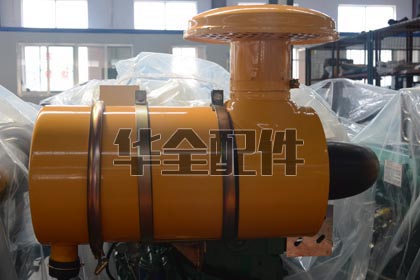
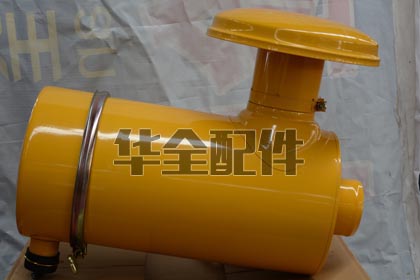
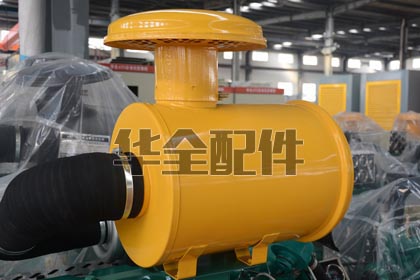
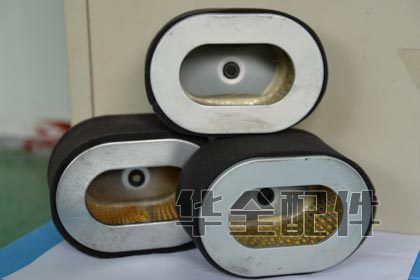
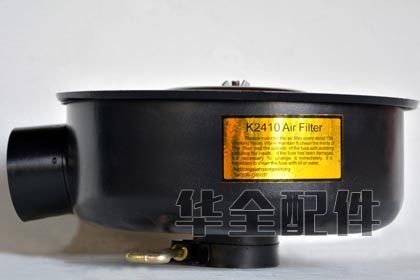
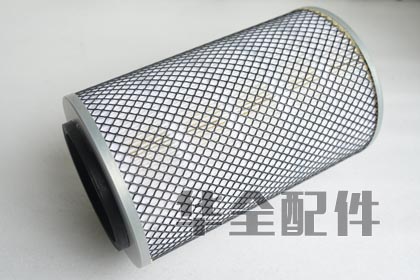
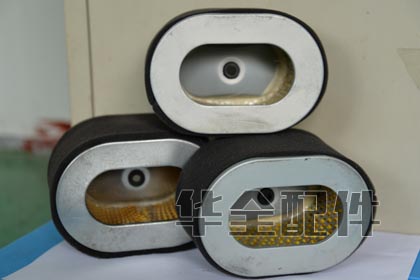
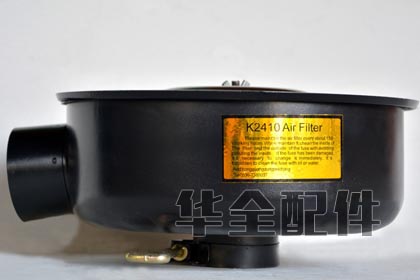
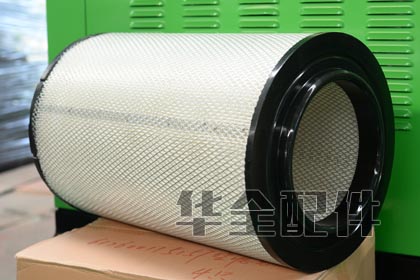
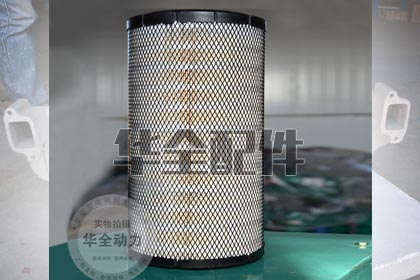
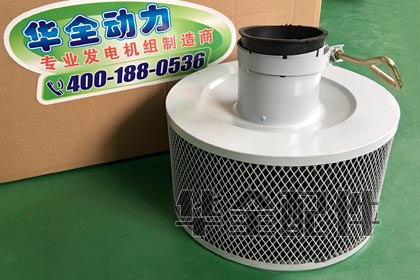
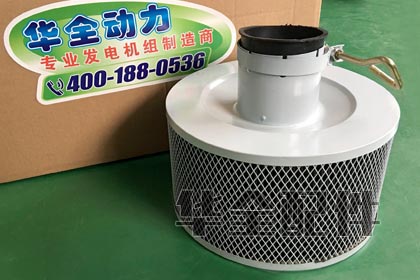
A generator air filter is a component that removes dust, debris, and airborne particulates from intake air before it enters the engine combustion chamber. It works by passing intake air through a filtration media (typically cellulose, synthetic fiber, or foam) that traps contaminants while allowing clean air to pass through. This ensures proper fuel-air mixing, protects cylinder walls from abrasive wear, and maintains engine compression efficiency. Without an effective air filter, silica dust and particulates act as sandpaper on piston rings, cylinder liners, and valve seats, leading to accelerated engine wear and eventual failure.
What are the different types of generator air filters?
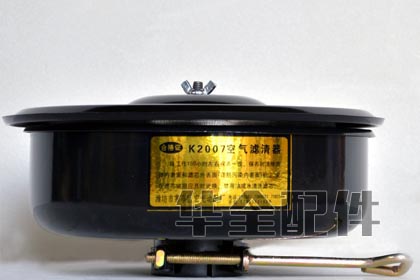
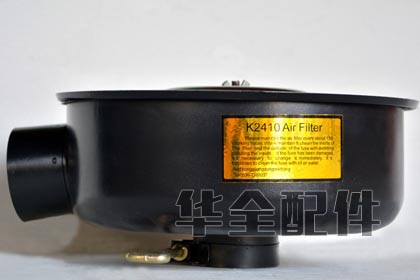
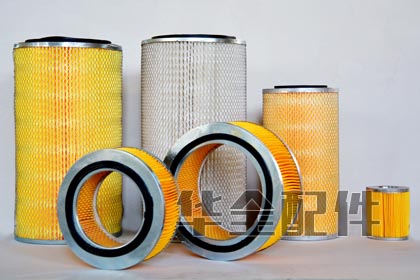
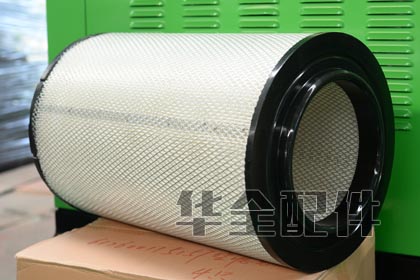
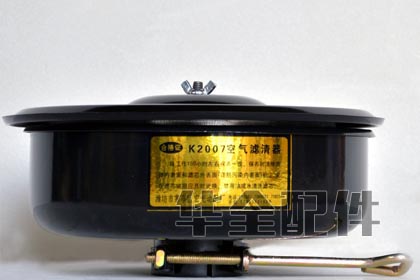
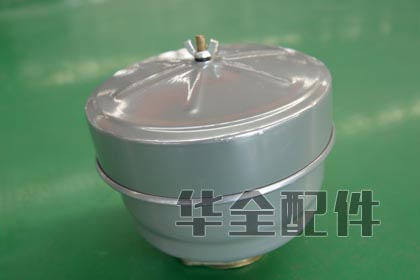
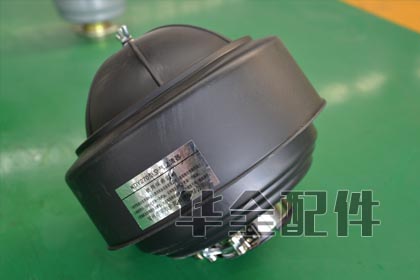
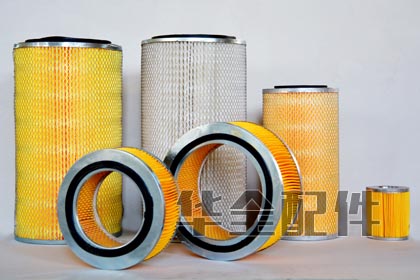
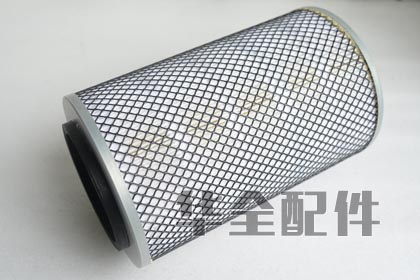
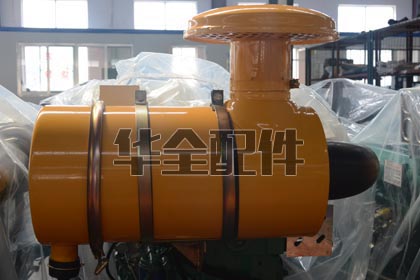
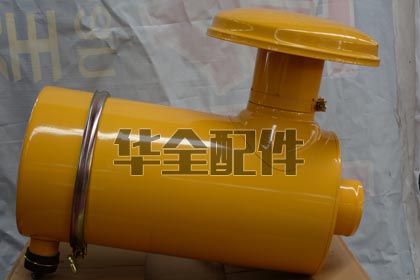
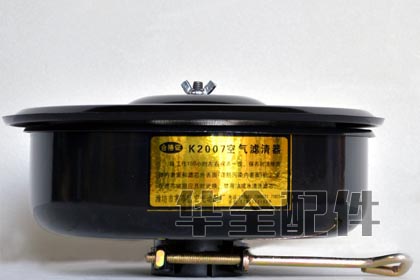
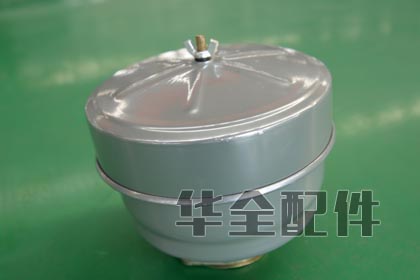
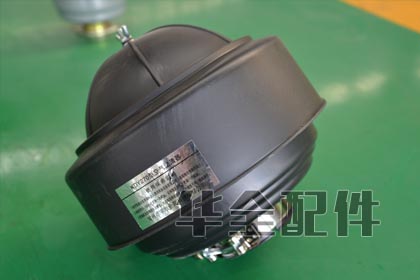
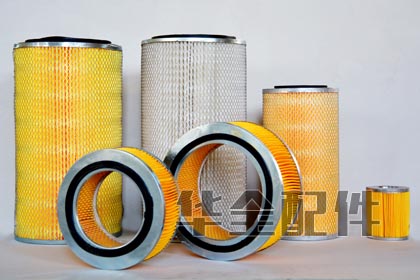
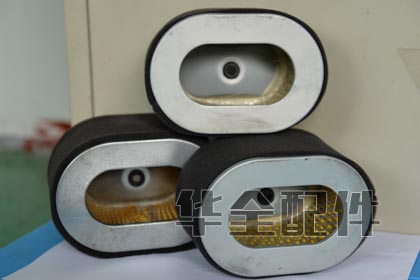
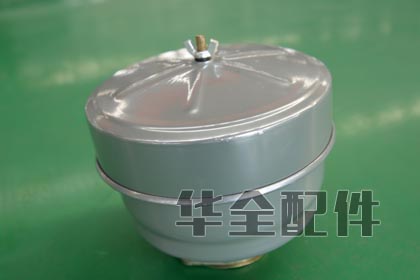
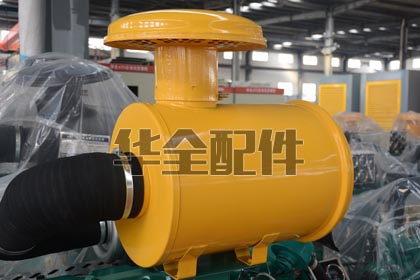
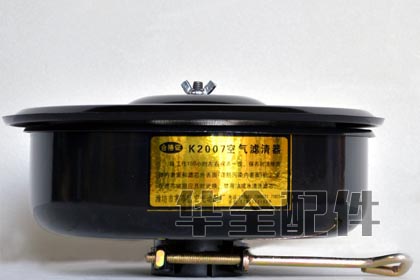
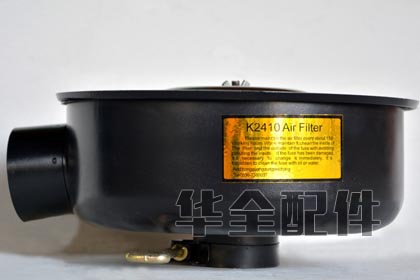
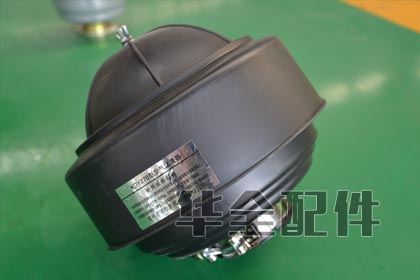
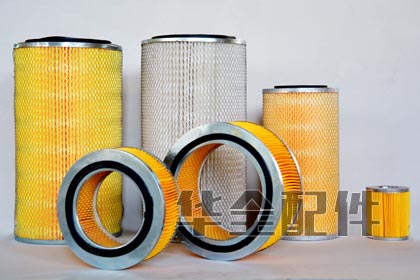
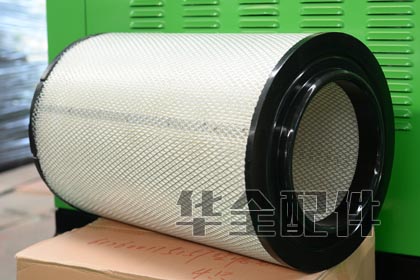
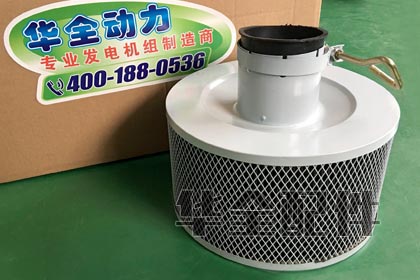
Generator air filters come in three main types: (1) Dry-type paper/cellulose filters — most common for diesel generators, featuring pleated paper media with 99.5%+ filtration efficiency; (2) Oil-bath air filters — older technology using oil to trap dust particles, still found on legacy generators; (3) Heavy-duty dual-stage filters — combine a cyclonic pre-cleaner (removes 85-90% of incoming dust) with a primary paper element, ideal for dusty construction, mining, and agricultural sites. Some high-performance generators also use nanofiber-coated media for extended service intervals.
How often should generator air filters be replaced?
Under normal conditions (clean environment), replace every 500-1,000 operating hours or annually, whichever comes first. In dusty or sandy environments (construction, mining, desert), check every 250 hours — filters may require replacement as often as every 300-500 hours. Always follow the engine manufacturer's maintenance schedule. A restriction indicator showing red means immediate replacement is required. The cost of a new air filter is typically recovered within 1-2 weeks of operation through fuel savings from improved combustion efficiency.
What are the signs of a clogged generator air filter?
Key signs include: (1) Black exhaust smoke — incomplete combustion due to rich fuel-air mixture; (2) Reduced engine power and slower RPM response under load; (3) Increased fuel consumption — typically 10-20% higher than normal; (4) Hard starting or rough idling, especially on cold starts; (5) Visible dirt or dark discoloration on the filter element; (6) Air filter restriction indicator showing red (if equipped). In severe cases, the engine may emit a hissing sound from the intake as it struggles to draw air through the clogged media. On a 500kW generator running 24/7, a dirty filter can waste 200-400 liters of diesel per month.
Which engines are compatible with HUAQUAN generator air filters?
HUAQUAN air filters are compatible with major diesel and gas engine brands including: Cummins (4BT, 6BT, 6CT, ISB, ISC, ISL, QSB, QSK, KTA series), Perkins (1100, 1200, 1300, 2300, 4000 series), Deutz (912, 913, 1013, 2012, 2013, 1015 series), MTU/Detroit Diesel, Volvo Penta, Weichai, Yuchai, Shangchai, and most Chinese diesel engine platforms. Cross-reference compatibility with Fleetguard, Donaldson, Mann-Filter, and Baldwin filter part numbers is available — contact us with your OEM filter number for exact aftermarket matching at 30-60% lower cost than OEM dealer pricing.
Can I clean and reuse a generator air filter?
Most dry-type paper air filters are designed for single use and should NOT be cleaned or reused. Blowing compressed air through the filter element can create invisible micro-tears in the media, reducing filtration efficiency from 99.5% to 95% or lower — allowing damaging particles into the engine. The only exception is heavy-duty dual-stage filters where the outer pre-cleaner element may be gently cleaned with low-pressure air (below 2 bar / 30 PSI) and reused up to 2-3 times. The inner safety element must NEVER be cleaned or reused — always replace it.
What happens if I run a generator without an air filter?
Running a generator without an air filter causes catastrophic engine damage within hours. Unfiltered intake air carries abrasive silica dust that acts as sandpaper on cylinder walls, piston rings, and valve seats. This leads to rapid cylinder bore wear, piston ring scoring, increased oil consumption from blow-by, compression loss, and ultimately complete engine failure requiring a $10,000-$50,000+ overhaul. Even a brief 10-minute run without a filter in a dusty environment causes measurable cylinder wear. Never bypass or remove the air filter, even for temporary testing.
How do I select the correct air filter for my generator?
To select the correct air filter: (1) Identify your engine make and complete model number from the engine data plate (e.g., Cummins 6BT5.9-G2); (2) Find the OEM air filter part number from the engine parts catalog or service manual; (3) Determine the filter type — radial seal (most common), axial seal, or panel style; (4) Measure key dimensions if the OEM number is unavailable — outer diameter, inner diameter, and overall height in millimeters; (5) Consider operating environment — dusty sites may require heavy-duty dual-stage filters. Provide any three of these data points to HUAQUAN for guaranteed exact cross-reference matching.
What is the difference between OEM and aftermarket generator air filters?
OEM air filters are branded by the engine maker (Cummins, Perkins, Deutz) and sold through dealer networks at premium prices. Quality aftermarket filters from ISO 9001-certified suppliers like HUAQUAN use equivalent or identical filtration media meeting ISO 5011 test standards, providing 99.5%+ filtration efficiency at 30-60% lower cost. The key difference is branding and dealer markup — not filtration performance. HUAQUAN provides full technical data sheets with filtration efficiency ratings and dust-holding capacity data upon request.
How do I properly install a generator air filter?
Proper installation: (1) Shut down the generator and allow it to cool completely; (2) Open the air filter housing carefully — avoid dislodging accumulated dirt into the clean side; (3) Remove the old filter slowly and place it directly into a disposal bag; (4) Wipe the housing interior with a clean, lint-free cloth — never use compressed air inside the housing; (5) Inspect the sealing surface and gasket for cracks, deformation, or debris; (6) Insert the new filter, ensuring it seats firmly and evenly; (7) Close and secure all housing clamps; (8) Reset the air filter restriction indicator if equipped; (9) Run the generator and check for unusual intake noise or leaks at the housing seal.
What is an air filter restriction indicator and how does it work?
An air filter restriction indicator measures the vacuum pressure between the air filter and the engine intake. As the filter loads with dust, restriction increases. Most indicators have a graduated scale with a red signal that locks at a preset restriction level — typically 5.0-6.2 kPa (20-25 inches H2O) for diesel engines. When the indicator shows red, the filter must be replaced. After replacement, press the reset button to clear the indicator. This tool eliminates guesswork and prevents premature replacement of still-serviceable filters.
Why does my generator air filter get dirty so quickly?
Rapid contamination is caused by: (1) Operating in dusty environments without an adequate pre-cleaner — a cyclonic pre-cleaner removes 85-90% of dust before the main filter; (2) Damaged or poorly sealed air filter housing allowing unfiltered air bypass; (3) Missing or damaged intake ducting that draws in ground-level dust; (4) Oil mist carryover from crankcase breather recirculation systems clogging the filter media; (5) Cracked or disconnected intake hoses downstream of the filter. Inspect the entire intake tract — from the intake hood to the turbocharger inlet — for leaks or damage.
What is the importance of the safety (inner) air filter element?
The safety (inner) element is a critical backup filter installed inside the main element. It protects the engine if the main filter develops a tear, becomes improperly seated, or is damaged during service. It also traps any dust that falls from the main element during replacement. Under no circumstances should the safety element be cleaned or reused — replace every 2-3 main filter changes, or immediately if any visible contamination is present. Running without a safety element leaves the engine completely unprotected during filter replacement.
How does altitude affect generator air filter performance?
At higher altitudes, air density decreases — the engine needs a larger volume of air to produce the same power, increasing air velocity through the filter and raising restriction. For generators above 1,500 meters (5,000 feet), consider a filter with higher dust-holding capacity or upsizing the filter housing. Altitude also causes engine derating — naturally aspirated diesel engines lose approximately 3-4% power per 300 meters above sea level, which combined with filter restriction can significantly impact generator output. Turbocharged engines are less affected.
Can I use a washable K&N-style filter on my diesel generator?
We do NOT recommend oiled cotton gauze (K&N-style) filters for industrial diesel generators. These filters have lower dust-holding capacity than dry paper filters, can pass fine particulates during high-dust conditions, and the filter oil can contaminate Mass Air Flow sensors on electronically controlled engines. Industrial generators require consistent, predictable filtration — OEM-specification dry paper elements from Fleetguard, Donaldson, or Mann-Filter are the proven industry standard for 24/7 standby and prime power applications.
How should I store spare generator air filters?
Store spare filters: (1) In original sealed packaging until installation; (2) In a clean, dry, temperature-stable environment at 10-30 degrees C; (3) Away from direct sunlight to prevent UV degradation of gaskets; (4) Off the floor on shelves to avoid moisture and rodents; (5) Away from solvents, fuels, and chemicals. Shelf life for properly stored paper air filters is 3-5 years from manufacture date. Before installing older stock, check gasket flexibility — hardened or cracked gaskets will not seal properly.
How does a clogged air filter affect generator fuel consumption?
A clogged air filter restricts airflow, causing the fuel system to deliver a richer fuel-air mixture. This incomplete combustion leads to: (1) 10-20% increased fuel consumption; (2) Higher exhaust gas temperatures stressing turbocharger and exhaust components; (3) Carbon buildup on injectors, pistons, and valves; (4) Increased soot loading in engine oil. A new air filter typically pays for itself within 1-2 weeks through fuel savings on a continuously running generator.
What is the ISO 5011 standard for air filter testing?
ISO 5011 is the international standard for air cleaner performance testing in internal combustion engines. It specifies test methods for: filtration efficiency (percentage of test dust captured, typically 99.5%+), dust-holding capacity (grams of dust before terminal restriction), initial restriction (pressure drop across clean filter), and pressure drop progression curve. HUAQUAN filters are third-party tested to ISO 5011 and complete test reports are available upon request.