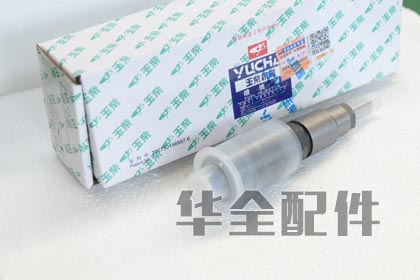
What is a diesel fuel injector and how does it work?
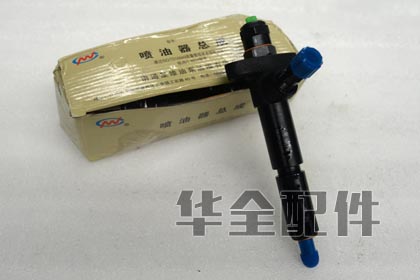
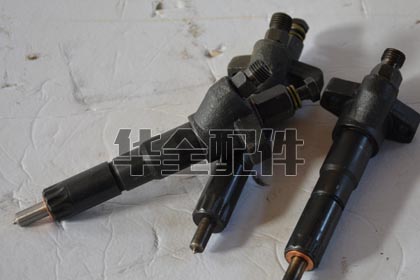
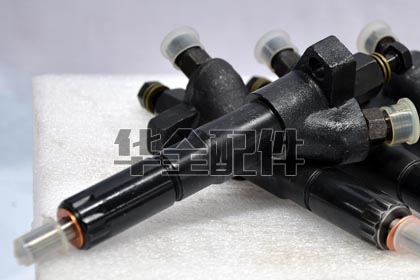
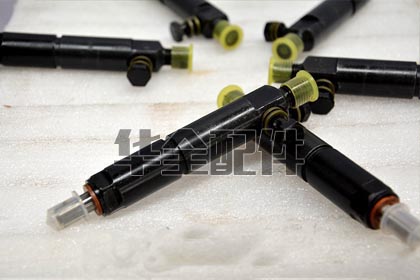
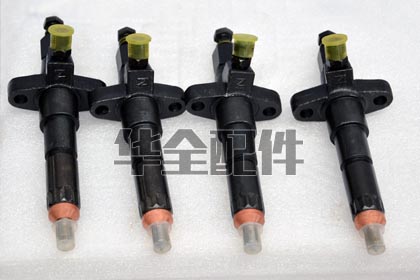
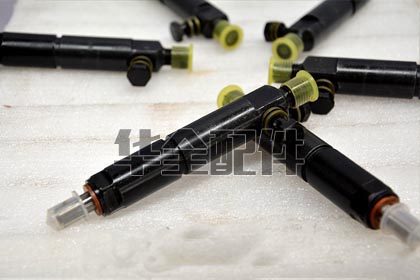
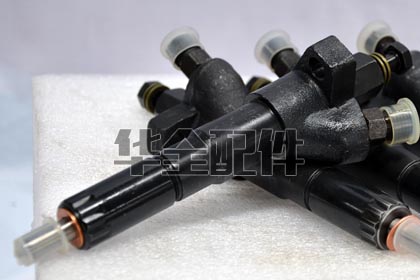
A diesel fuel injector is a precision electro-mechanical or hydro-mechanical valve that atomizes and delivers a precisely metered quantity of fuel directly into the combustion chamber at the exact moment and spray pattern required for optimal combustion. Key components: injector body (precision-machined steel alloy), nozzle (hardened steel with 5-10 micro-drilled orifices at 0.12-0.30mm each), needle valve (lifting 0.05-0.15mm during injection), and actuator (solenoid coil or piezo-crystal stack in electronic injectors). The nozzle tip endures combustion chamber temperatures exceeding 250 degrees C while simultaneously injecting fuel at 1,600-2,500 bar. This is the most thermally and mechanically stressed component in the entire fuel system — and among the most precision-engineered devices in all of mechanical engineering, with manufacturing tolerances of 1-2 microns on critical dimensions.
What are the symptoms of a failing or clogged fuel injector?
Failing injector symptoms: (1) Black smoke — injector is dribbling fuel (poor atomization) or over-fueling; (2) White/grey smoke — injector nozzle is sticking open, injecting fuel at low pressure that partially burns; (3) Engine misfire — one cylinder is receiving incorrect fuel quantity, causing uneven running that is most noticeable at idle and light load; (4) Knocking sound — a specific sharp metallic knock from one cylinder, caused by an injector delivering fuel too early or in an uncontrolled manner; (5) Increased fuel consumption — 10-20% higher without apparent cause, often from injector nozzle wear allowing over-fueling; (6) Diluted engine oil — a leaking injector washes fuel past the piston rings into the crankcase, increasing oil level and reducing viscosity; (7) Hard starting when hot — worn injectors leak combustion gas back into the nozzle, creating vapor lock.
How often should diesel fuel injectors be replaced or serviced?
Service interval: Mechanical injectors — overhaul every 3,000-5,000 operating hours for medium-duty diesels. Electronic unit injectors (EUI) — 5,000-8,000 hours. Common-rail injectors — 8,000-12,000 hours under normal conditions with clean fuel. The injector nozzle is typically the service item, not the complete injector body. Signs that service is due: (1) Exhaust smoke increasing despite normal fuel and filter changes; (2) Fuel consumption rising above baseline; (3) Uneven cylinder exhaust temperatures (measured with an infrared thermometer at each exhaust port — variation over 30-50 degrees C indicates injector flow imbalance); (4) Injector return flow (leak-off) test showing excessive leak-back, indicating worn nozzle needle/seat. For standby generators with low hours, time-based replacement at 5-8 years is recommended as injectors can seize from long idle periods.
Which engine brands are HUAQUAN fuel injectors compatible with?
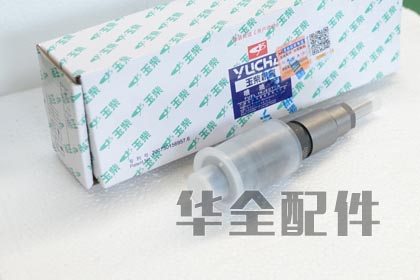
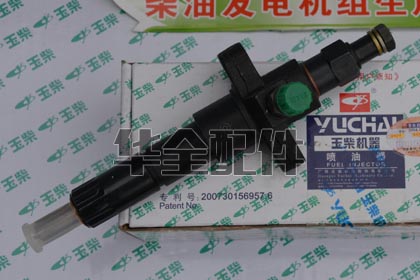
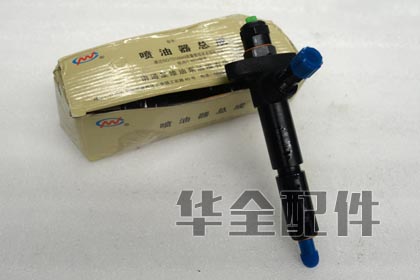
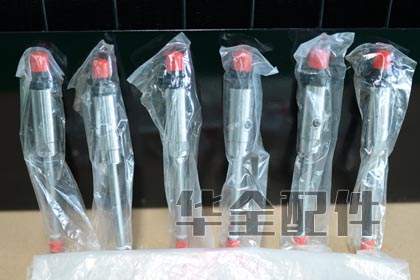
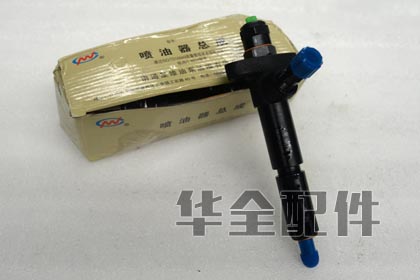
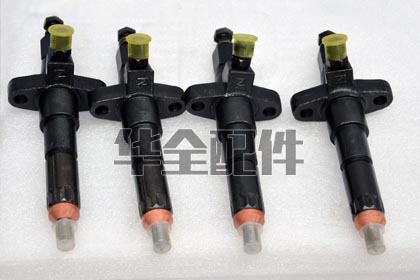
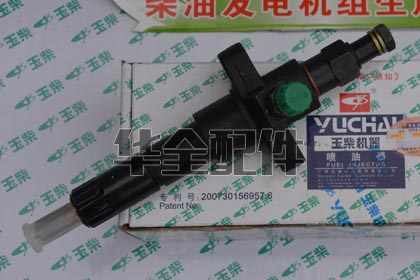
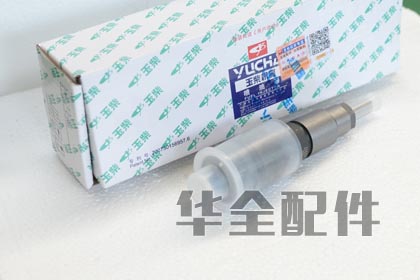
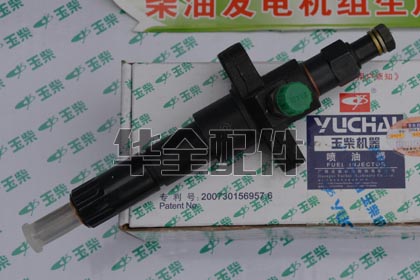
HUAQUAN supplies diesel fuel injectors for: Cummins (4BT, 6BT, 6CT, ISB, ISC, ISL, QSB, QSL, NT855, KTA19/38/50, QSK), Perkins (1103-4008), Deutz (912-2015), Weichai (WD615, WD618, WP10/12/13/17, 226B, 6160-6200), Yuchai (YC4, YC6, YCK), Shangchai (SC4H-SC33W), Doosan, Volvo Penta. Injector types: mechanical (Bosch nozzle type DLLA/DLLA-P), electronic unit injectors (EUI), and common-rail piezo/solenoid injectors. Each injector is tested on a calibration bench to verify: opening pressure, spray pattern, atomization quality, chatter, leak-off rate, and flow matching (all injectors in a set within 2% flow deviation). Supplied with new copper sealing washers and O-rings.
What causes diesel injector nozzle coking?
Injector nozzle coking is the buildup of hard carbon deposits on and around the nozzle spray holes, caused by: (1) Poor-quality fuel — high aromatic and olefin content promotes carbon formation; (2) Short run cycles — the injector tip never reaches self-cleaning temperature (above 220 degrees C) that burns off deposits; (3) Incorrect injection timing — retarded timing increases post-injection fuel contact with hot surfaces; (4) Engine idling — idle combustion temperatures are insufficient for nozzle self-cleaning; (5) Worn valve guides leaking oil into the combustion zone. Coked nozzles produce distorted spray patterns — instead of fine atomized mist, fuel comes out as uneven streams that burn incompletely. Prevention: run the generator at 70%+ load for 30 minutes weekly to burn off deposits, use premium-quality fuel, and change oil on schedule.
What is injector pop testing and how is it performed?
Pop testing is a bench test that measures the pressure at which the injector 'pops' (opens) — the nozzle opening pressure (NOP). Procedure: (1) Mount the injector on a manual pop tester; (2) Pump the lever slowly and watch the pressure gauge; (3) Record the pressure at which the injector opens and a spray is emitted — this is the pop pressure (typically 180-300 bar for mechanical injectors, manufacturer-specified); (4) Observe the spray pattern — should be an even conical mist with no streaming, spurting, or dribbling; (5) Listen for chatter — a healthy injector produces a sharp 'creak' sound as the needle oscillates during injection; (6) Hold pressure just below pop point — no fuel should drip from the nozzle (dribble test); (7) Check leak-off — a small amount of fuel bypassing the needle is normal. Pop pressure outside specification requires shim adjustment or injector replacement.
What is the importance of injector copper sealing washers?
Copper sealing washers (crush washers) are single-use precision seals installed between the injector body and the cylinder head. They perform two critical functions: (1) Combustion gas seal — the washer crushes to fill micro-imperfections between the injector and the head, preventing combustion pressure (200+ bar) from blowing past the injector; (2) Heat transfer — copper's high thermal conductivity (400 W/m*K) conducts heat from the injector nozzle tip (250+ degrees C) into the cylinder head coolant passages. Always replace: every time the injector is removed — the washer has permanently deformed. Reusing a crushed washer creates: combustion gas leakage eroding the injector bore (the 'blow-by' eats a channel in the head casting), poor heat transfer causing the injector to overheat, and carbon packing beneath the nozzle. Use only the correct thickness washer — the install depth of the injector nozzle into the combustion chamber is critical for spray targeting.
How do I properly install fuel injectors?
Installation procedure: (1) Clean the injector bore in the cylinder head thoroughly — use a purpose-made cleaning brush, removing all carbon deposits and old washer fragments; (2) Verify the bore is free of debris — a single carbon chip under the new washer will cause a leak; (3) Install a new copper sealing washer of the correct thickness; (4) Lubricate the injector O-rings with clean diesel or assembly lubricant; (5) Push the injector into the bore by hand — it should seat smoothly; (6) Install the hold-down clamp and tighten to specification — typically 25-35 Nm; (7) Connect high-pressure lines — torque to specification, do not overtighten (common and expensive mistake — overtightening cracks the line flare); (8) For electronic injectors: install the electrical connector until it clicks, route wiring away from heat and vibration; (9) After start-up: run and check for fuel leaks at all connections.
What is an injector leak-off test and what does it measure?
A leak-off test measures the quantity of fuel that bypasses the injector nozzle needle (return fuel) during operation. A small amount of leak-off is normal — it lubricates and cools the injector internals. Excessive leak-off indicates: (1) Worn nozzle needle and seat — the precision lapped seal has eroded, allowing excessive bypass; (2) Weak or broken needle spring — the needle does not close with sufficient force; (3) Contamination holding the needle off its seat. Procedure: disconnect the leak-off lines from all injectors, connect individual graduated collection tubes, run the engine at a specified speed for a timed interval (typically idle for 2-3 minutes), and compare volumes. Specification: typically 10-30 ml per injector in the test period, with all injectors within 20% of each other. An injector producing double the average leak-off should be replaced.
What is the difference between mechanical and electronic fuel injectors?
Mechanical injectors: opened by fuel pressure alone — when the injection pump delivers fuel at a pressure exceeding the nozzle spring setting (180-300 bar), the hydraulic force lifts the needle. Simple, robust, field-serviceable. Limitations: single injection event, fixed injection timing, no cylinder-selective control. Electronic injectors (EUI/common-rail): the nozzle needle is opened by a solenoid coil or piezo-crystal stack, commanded by the ECU. This allows: multiple injection events per cycle (pilot injection — a tiny early shot for noise reduction; main injection; post-injection for DPF regeneration), infinitely variable timing, and precise fuel metering (+-1 mg per stroke). The trade-off: electronic injectors require clean fuel (2-4 micron filtration vs. 5-10 micron for mechanical), sophisticated ECU, and cannot be field-repaired.
What happens if a diesel injector sticks open?
An injector stuck open (needle seized in the open position) is one of the most dangerous fuel system failures. The cylinder receives uncontrolled fuel flow — at idle, this one cylinder may receive 10-20x more fuel than the others. Consequences: (1) Severe knocking as the grossly over-fueled cylinder experiences extreme combustion pressure spikes — can crack the piston crown within minutes; (2) Diluted engine oil — unburned fuel washes past the rings, reducing oil viscosity and potentially causing bearing seizure; (3) Overheating — the cylinder head and piston absorb excessive heat; (4) Potential hydrolock — if the engine is shut down and restarted, that cylinder may be full of fuel (liquid cannot compress), bending the connecting rod when the starter engages. Any sign of a stuck injector — loud knock, massive black smoke from one cylinder, fuel in oil — requires IMMEDIATE shutdown for investigation.
How should spare fuel injectors be stored?
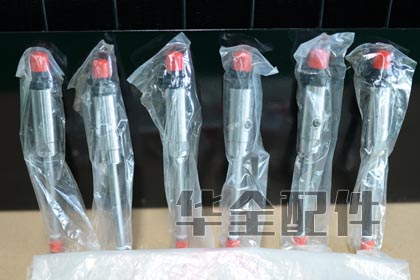
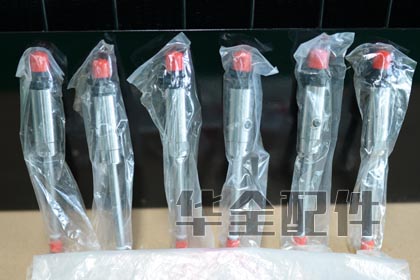
Proper storage: (1) Keep in original packaging with protective caps on both inlet and nozzle ends — the nozzle orifices are easily damaged; (2) Store in a clean, dry environment at 15-30 degrees C, below 50% RH; (3) Do not remove the factory-applied rust preventative oil from internal passages until installation; (4) If storing injectors removed from an engine (for potential reuse), fill the internal passages with calibration fluid or clean diesel, cap all openings, and mark as 'used — requires testing before installation'; (5) Shelf life: new injectors can be stored 5+ years in sealed packaging; (6) Before installing an injector stored more than 1 year, have it pop-tested to verify the nozzle is not stuck from congealed oil. HUAQUAN injectors are shipped with full protective packaging and test certification.