
Generator Fuel Pumps — Complete Guide
The fuel pump is responsible for delivering fuel from the tank to the engine’s injection system at the correct pressure and flow rate. In diesel generators, this typically means a lift pump (low-pressure) feeding the injection pump, while in gas generators, it means an electric pump delivering fuel at regulated pressure. A failing fuel pump causes hard starting, power loss under load, and ultimately generator shutdown. This guide covers all fuel pump types used in generator applications.
Fuel Pump Types for Generators
| Pump Type | Pressure Range | Drive Method | Typical Application | Service Life |
|---|---|---|---|---|
| Mechanical Diaphragm Lift Pump | 0.3-1.0 bar (5-15 psi) | Engine camshaft eccentric | Small diesel generators (5-30 kW); feeds injection pump | 5,000-10,000 hours |
| Electric Lift Pump (Vane or Gear) | 0.5-3.0 bar (7-45 psi) | 12V or 24V DC motor | Medium diesel generators (20-300 kW); pre-fills system before cranking | 3,000-8,000 hours |
| Inline Injection Pump | 200-1000 bar | Engine camshaft-driven plunger per cylinder | Older medium-large diesel engines; mechanically governed | 10,000-20,000 hours with proper fuel filtration |
| Rotary (Distributor) Injection Pump | 400-1200 bar | Engine-driven with single pumping element distributing to all cylinders | Small-medium diesel engines (10-200 kW); compact design | 8,000-15,000 hours |
| Common Rail High-Pressure Pump | 1000-2500 bar | Engine-driven; supplies common rail feeding electronically controlled injectors | Modern diesel generators (50 kW+); electronic control enables precise timing | 15,000-25,000 hours |
| Electric Gas/LPG Pump | 0.1-0.3 bar (1.5-5 psi) | 12V or 24V DC; often integrated with fuel module | Gasoline and LPG generators (2-30 kW) | 2,000-5,000 hours |
Fuel Pump Failure Symptoms
| Symptom | Lift Pump Cause | Injection Pump Cause |
|---|---|---|
| Hard Starting / Extended Crank | Air in fuel system (lift pump not priming); insufficient supply pressure | Worn pumping elements not generating sufficient pressure at cranking speed |
| Power Loss Under Load | Restricted fuel flow (clogged pre-filter or screen in pump); pump not delivering rated flow | Worn governor mechanism; delivery valve malfunction; internal leakage |
| Engine Stalls / Won’t Restart | Complete pump failure (electric pump motor burned, mechanical pump diaphragm ruptured) | Seized pumping plunger; drive coupling failure; fuel shutoff solenoid failure |
| Engine Hunting (RPM Fluctuation) | Intermittent air ingress at suction line fittings | Sticking governor linkage; worn governor weights; inconsistent delivery between cylinders |
| Fuel in Engine Oil | Mechanical lift pump diaphragm leaking fuel into crankcase — serious; stop engine immediately | Rare but possible: injection pump shaft seal failed, leaking fuel into timing case |
Frequently Asked Questions
1. How do I prime a diesel generator fuel pump after running out of fuel?
For electric lift pumps: turn the key to “run” (not start) and listen for the pump to run — it will self-prime. For mechanical lift pumps: locate the manual priming lever (small lever on the pump body) and pump it until fuel flows from the bleed screw on the fuel filter housing. For common-rail systems without manual priming: use the electric priming pump (if equipped) or fill the fuel filter with clean diesel before installation. Never crank the engine continuously to prime — this overheats the starter motor.
2. Can I replace a mechanical fuel pump with an electric one?
Yes, with some considerations: (1) the electric pump must deliver the correct pressure (too high will overwhelm the injection pump inlet; install a regulator if needed), (2) wire the pump to the “run” circuit of the controller so it primes before cranking, (3) remove the mechanical pump and install a block-off plate, and (4) ensure the electric pump is rated for continuous duty. This upgrade is common on older generators to improve starting reliability.
3. What causes a diesel injection pump to lose its prime?
Loss of prime (air in the system) is caused by: (1) loose fittings or cracked fuel hoses allowing air ingress on the suction side between tank and pump, (2) failed check valve in the lift pump, (3) clogged tank vent causing vacuum that pulls air past seals, or (4) leaky fuel filter housing seal or drain valve. Diagnose by installing a section of clear hose between the lift pump and fuel filter inlet — bubbles indicate air ingress upstream.
4. How do I know if my injection pump needs rebuilding?
Key indicators: (1) engine cannot reach rated speed under full load, (2) excessive smoke (black = over-fueling from worn delivery valves; white = retarded timing or leaking nozzle), (3) engine runs rough — one or more cylinders contribute less power (feel exhaust manifold branches for cold cylinder), (4) fuel in engine oil (pump shaft seal leak), (5) pump body shows external fuel leaks. A diesel injection shop can bench-test the pump to confirm condition.
5. Why do common-rail fuel pumps fail prematurely?
Common-rail pumps operate at extreme pressures (1000-2500 bar) and tolerate virtually no contamination. Failure causes: (1) water in fuel — even trace amounts cause cavitation damage to pumping elements, (2) poor fuel filtration — particles as small as 3-5 microns can score precision-machined surfaces, (3) running the system dry — the fuel lubricates the pump; running without fuel causes immediate damage, (4) incorrect fuel — biodiesel blends above B20 can cause internal corrosion and seal degradation in pumps not rated for it.
6. What is the difference between a fuel pump and a fuel injection pump?
The fuel (lift/transfer) pump delivers fuel at low pressure (0.3-3 bar) from the tank to the injection pump inlet. The injection pump pressurizes fuel to very high pressure (200-2500 bar) and meters the precise quantity to each injector at the correct time. The lift pump moves volume; the injection pump creates pressure and controls timing. Both are essential — a healthy injection pump cannot compensate for a failed lift pump.
Related Articles
- Generator Fuel System Parts Overview
- Generator Fuel Injectors — Complete Guide (placeholder)
- Generator Fuel Tanks and Storage
- Diesel Engine Spare Parts for Generators
- Generator Troubleshooting Guide
- Generator Engine Parts — Systems Overview
- Complete Generator Maintenance Guide
Product Gallery
Cummins
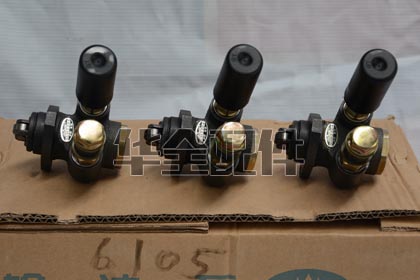
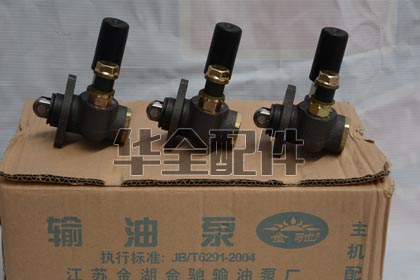
Various
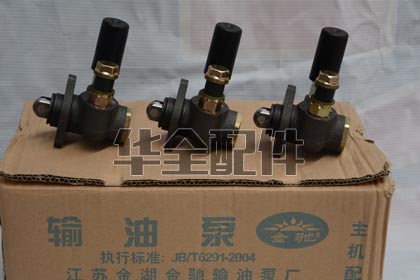
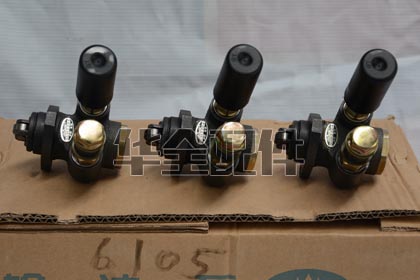
Weichai
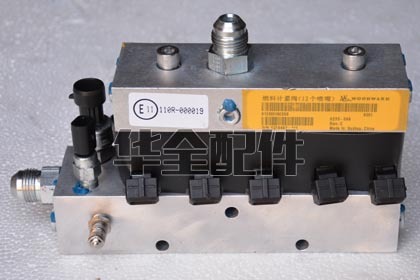
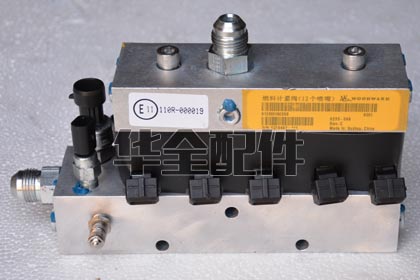
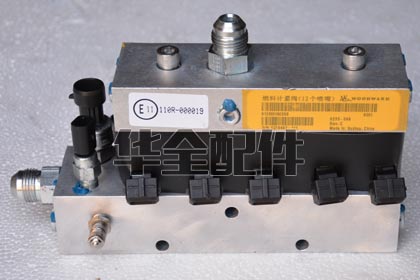
FAQ
Q: What are the different types of generator fuel pumps?
A: Generator fuel systems use four main pump types: (1) Mechanical Lift Pumps — diaphragm or piston pumps driven by an engine camshaft eccentric, delivering 15-45 PSI at 30-80 L/hr on engines up to 200kW, reliable and low-cost; (2) Electric Fuel Transfer Pumps — 12V/24V DC rotary vane or gear pumps that prime the system before starting and provide continuous fuel flow, common on 50kW-500kW generators with remote fuel tanks; (3) High-Pressure Injection Pumps — the main fuel injection pump (inline, rotary/distributor, or common rail CP3/CP4 type) generating 200-2,700 bar for injector atomization; (4) Fuel Supply/Boost Pumps — electric pumps mounted near the fuel tank that supply 5-15 PSI to the main injection pump inlet, preventing cavitation on engines with long fuel line runs.
Q: How do I know if my generator fuel pump is failing?
A: Fuel pump failure symptoms: (1) Hard starting or no-start — engine cranks but won’t fire, especially after sitting unused; (2) Engine stalling under load — the pump cannot maintain flow at high fuel demand; (3) Surging or RPM fluctuation — inconsistent fuel delivery causes governor hunting; (4) Loss of power at high RPM — pump output drops as engine speed increases; (5) Fuel leaks at the pump body or mounting flange — indicates diaphragm failure (mechanical) or shaft seal failure (electric); (6) Unusual noise — whining or grinding from electric pump motor bearing failure; (7) Air in the fuel system — if the lift pump has a failed check valve, fuel drains back to the tank causing extended cranking. Perform a flow test: disconnect the pump outlet and measure fuel delivery over 30 seconds — compare to the pump’s rated output specification.
Q: Which generator brands use compatible fuel pumps from HUAQUAN?
A: HUAQUAN supplies replacement fuel pumps compatible with: Cummins (4BT, 6BT, 6CT, ISB, ISC, ISL, QSB, QSK, KTA, NTA series — Bosch VE, P7100, and common-rail CP3 pumps), Perkins (1100, 1200, 1300, 2300, 4000 series — Delphi/Lucas DPA, DP200, DP210 pumps), Deutz (912, 913, 1013, 2012, 2013 series), Volvo Penta (TAD series), MTU/Detroit Diesel (Series 60, 2000, 4000), Weichai (WP4, WP6, WP10, WP12, WP13 series — Bosch and Weichai-branded pumps), Yuchai (YC4, YC6 series), Shangchai (SC4, SC7, SC8, SC9, SC12 series), and Weifang (R4100, R6105, 6126 series). We offer both OEM-equivalent mechanical pumps and aftermarket electric lift pumps cross-referenced to Facet, Walbro, Carter, Holley, and Airtex part numbers.
Q: What fuel pressure should my generator fuel pump deliver?
A: Fuel pressure requirements by system type: Mechanical lift pump outlet: 3-8 PSI (20-55 kPa) for most diesel engines — too high a pressure can force fuel past the injection pump shaft seal. Electric transfer pump (tank to engine): 5-15 PSI (34-103 kPa) — flow rate must exceed engine max consumption by 25-30% to account for fuel recirculation. Common rail low-pressure supply: 4-6 bar (58-87 PSI) for Bosch CP3/CP4 systems — insufficient supply causes rail pressure collapse under load and ECM de-rate. Injection pump internal pressure: 200-300 bar (Bosch VE distributor), 800-1,200 bar (Bosch P7100 inline), 1,600-2,700 bar (Bosch common rail CP3.3). Always verify pressure with a calibrated gauge at the engine inlet after installation.
Q: How often should generator fuel pumps be replaced or serviced?
A: Electric fuel transfer pumps: replace every 8,000-12,000 running hours or every 5-7 years. Mechanical lift pumps: rebuild or replace every 10,000-15,000 hours — service when the manual priming lever loses effectiveness or fuel leaks appear at the weep hole. High-pressure injection pumps: major overhaul at 15,000-25,000 hours depending on fuel quality — use fuel with less than 15ppm sulfur and proper lubricity additives to extend life. Service intervals shorten significantly (by 50%) when running on biodiesel blends above B5, high-sulfur fuel, or contaminated fuel. Preventive replacement of electric pumps as part of the 10,000-hour major service is recommended over waiting for failure, as pump failure causes unscheduled generator downtime.
Q: Why is my electric fuel pump noisy or overheating?
A: Causes of noisy/overheating electric fuel pumps: (1) Running dry — the pump uses fuel for cooling and lubrication; a dry pump burns out within minutes; (2) Clogged inlet strainer or fuel filter causing cavitation — the pump works harder against suction restriction; (3) Voltage too high — 24V pump on a 28V charging system will run hot and noisy; (4) Air ingestion through a cracked suction line — air bubbles cause the pump to chatter; (5) Worn pump motor bearings — common after 8,000+ hours; (6) Incorrect mounting angle — some pumps must be mounted horizontally (outlet up) to prevent vapor lock. Install a pre-filter (100-micron water-separating) before the electric pump and ensure the pump is mounted below the tank’s lowest fuel level for gravity feed.
Q: Can I convert my mechanical fuel pump to an electric pump?
A: Yes — this is a common upgrade for reliability and cold-start improvement. Steps: (1) Remove the mechanical pump and install a block-off plate (available for most engine models); (2) Install an electric pump rated for your engine’s fuel consumption at 5-15 PSI; (3) Mount the pump as close to the fuel tank as possible — electric pumps push fuel better than they pull; (4) Install a 10-15 micron pre-filter before the pump inlet; (5) Wire through an oil pressure safety switch so the pump only runs when the engine has oil pressure — this prevents fuel pumping during a rollover or accident; (6) Add a relay powered from an ignition-switched circuit. Benefits: instant priming after fuel filter changes, no manual hand-priming, consistent fuel pressure regardless of engine RPM, and elimination of mechanical pump diaphragm failure leaks.
Q: What causes a fuel pump to lose prime after sitting?
A: Loss of prime is caused by air entering the fuel system: (1) Failed check valve in the lift pump — fuel drains back to the tank through the supply line; (2) Pin-hole leak in the suction line — allows air to be drawn in but may not show visible fuel leaks due to vacuum in the line; (3) Loose fuel filter — check O-ring and housing seal; (4) Cracked fuel filter housing or water separator bowl; (5) Worn injection pump shaft seal — allows fuel to weep out and air to enter when the pump cools; (6) Return line check valve stuck open — fuel in the return line siphons back. Diagnose by installing a clear section of fuel line before the lift pump — look for air bubbles during cranking. Repair by replacing the check valve or installing an inline check valve near the tank outlet.
Q: What is the difference between a fuel transfer pump and a fuel injection pump?
A: The fuel transfer pump (lift pump) is a low-pressure pump (3-15 PSI) that moves fuel from the tank to the injection pump inlet. Its job is to supply a steady stream of fuel at low pressure, overcoming line resistance and filter restriction. The fuel injection pump is a high-pressure precision pump (200-2,700 bar) that meters, times, and pressurizes fuel for delivery through the injectors into the combustion chamber. The transfer pump is a simple device with 2-4 moving parts that can be changed in 30 minutes; the injection pump is a precision-machined assembly with hundreds of components, calibrated to microsecond and micro-liter tolerances, requiring specialized test bench equipment for calibration. Both are essential — the injection pump cannot draw fuel from the tank without a functioning transfer/lift pump.
Q: How do I bleed air from the fuel system after changing a fuel pump?
A: Bleeding procedure: (1) Fill the new fuel filter(s) with clean diesel before installation to minimize air volume; (2) Loosen the bleed screw on top of the fuel filter housing; (3) Operate the manual priming lever (mechanical pump) or run the electric pump until bubble-free fuel flows from the bleed screw — tighten it; (4) Move to the injection pump inlet — loosen the inlet banjo bolt or bleed screw and pump until clear fuel appears; (5) For common rail systems: use the electric lift pump to pressure-purge the low-pressure circuit through the return line; (6) Loosen injector line nuts at 2-3 injectors; (7) Crank the engine in 10-second bursts with 30-second rest intervals until fuel sprays from the loosened nuts — tighten them; (8) The engine should now start. If not, loosen injector nuts one more time while cranking. Never use starting fluid (ether) on a diesel generator — it can cause pre-ignition damage.
Q: Does fuel quality affect fuel pump lifespan?
A: Fuel quality is the #1 factor in fuel pump lifespan. Poor quality diesel causes: (1) Low lubricity — ULSD (ultra-low sulfur diesel) has reduced lubricity that accelerates injection pump plunger and barrel wear; use fuel with HFRR wear scar below 460 microns or add lubricity additives; (2) Water contamination — as little as 0.05% water causes cavitation erosion on pump internal surfaces and rust on precision-fit components; (3) Particulate contamination — particles above 2-3 microns score injection pump plunger surfaces; (4) Biodiesel above B5 — causes accelerated oxidation, microbial growth, and elastomer seal degradation. Always maintain a proper fuel polishing and water-separation system, replace fuel filters on schedule, and treat stored fuel with biocide and stabilizer for generators in standby service with fuel older than 6 months.
Q: What are the symptoms of common rail high-pressure pump (CP3/CP4) failure?
A: Common rail pump failure symptoms: (1) P0087 — Fuel Rail/System Pressure Too Low, the ECU detects actual rail pressure below target; (2) Extended cranking before start — the pump cannot build rail pressure quickly enough (should reach 200+ bar within 2 seconds of cranking); (3) Engine derate and diagnostic lamp — the ECU limits injection quantity to protect the system; (4) Metallic debris in the fuel filter — indicates pump internal failure generating metal particles that contaminate the entire fuel system; (5) Engine stall during operation — total loss of rail pressure. IMPORTANT: CP4 pump failure is catastrophic — it generates metal debris that travels through the high-pressure system into all 6-8 injectors and the rail itself, requiring complete fuel system replacement ($15,000-$40,000). Immediate shutdown at first pressure code is critical to limit damage.
Q: How do I select the correct replacement fuel pump for my generator engine?
A: Selection steps: (1) Identify the engine make and complete model from the data plate (e.g., Cummins 6BT5.9-G2, Perkins 1104C-44TAG2); (2) Determine the pump type needed — lift pump, injection pump, or electric transfer pump; (3) Locate the existing pump’s manufacturer and part number stamped on the pump body (Bosch XXXX XXX XXX, Delphi XXXX, Denso XXXX); (4) For electric pumps: note voltage (12V or 24V), pressure rating (PSI/bar), and flow rate (GPH/LPH); (5) Measure the mounting flange pattern and drive coupling type for mechanical pumps. Provide these details to HUAQUAN for exact cross-reference matching. We maintain a database of 50,000+ pump cross-references across Bosch, Delphi, Denso, Stanadyne, Zexel, and Yanmar.
Q: Can I install a higher-flow fuel pump for performance improvement?
A: On mechanically governed diesel generators — NO. The injection pump meters fuel based on governor position and engine speed, not supply pressure. Increasing lift pump flow or pressure beyond specification will not increase power output and may cause: (1) Fuel leaking past the injection pump front shaft seal into the crankcase — diluting engine oil; (2) Injection timing shift on pressure-advance pumps; (3) Fuel return system overload. On electronically controlled common-rail engines — a very modest upgrade is possible IF the ECU is recalibrated, but generator engines are tuned for fixed-speed operation and reliability, not variable-speed performance. The factory pump is correctly sized for the engine’s maximum fuel consumption plus 25-30% recirculation margin. Upgrade only if you have verified the existing pump is delivering below specification.
Q: Why does my generator fuel pump click but not pump fuel?
A: An electric pump that clicks (solenoid actuating) but doesn’t deliver fuel indicates: (1) Air lock — the pump’s internal check valves cannot overcome trapped air; bleed the system and ensure the pump is gravity-fed; (2) Inlet restriction — clogged strainer, collapsed suction hose, or closed tank valve; (3) Pump internal check valve stuck open — fuel sloshes back and forth instead of being pushed forward; (4) Pump diaphragm or piston seal failure — the solenoid is working but the pumping element is not displacing fuel; (5) Voltage drop — a corroded connection delivers voltage to click the solenoid but insufficient current for full plunger stroke. Test by removing the outlet line and feeding the pump from a clean container of diesel at the same height — if it pumps then, the problem is in the suction line.